The “Close to Whole” Method: A Beginner’s Guide to Simplifying Healthy Eating
Eating a healthy diet fuels your body with essential nutrients, boosts energy, and supports mental well-being. It also helps prevent chronic diseases and promotes longevity, making it one of the most powerful forms of self-care.
The problem? Most of us want to care for ourselves by eating a healthier diet, but without a basic understanding of nutrition, it’s hard to know where to start. I remember feeling the same way when I started making healthier food choices some years back—questions flooded my mind: What should I buy at the grocery store? Do I have to cut out sugar? How do I know if the meals I’m eating are actually healthy?
My lack of knowledge had me feeling defeated - I was ready to quit before even starting. But I had goals to reach, so I started investing time into learning what I could about nutrition. Over time my knowledge expanded, my confidence in my decision making grew, and I achieved my goals. That’s not to say the process didn’t come without challenges, but it did become easier as I continued applying my knowledge. Looking back, here is what I learned, eating healthy and making better nutrition choices doesn’t have to be complicated. All you need is an effective method that simplifies the process.
In this post, I’m share my go-to method for identifying healthy foods and meals so you too can feel confident and make more informed decisions when it comes to your nutrition—whether you’re grocery shopping, eating out, or whipping up a meal at home. This method is quick, practical, and designed to simplify healthy eating for everyday life. By the end, you’ll know what a healthy diet consists of, how to spot nutritious foods, and how to cut through the noise to make nutrition choices that align with your health goals.
Disclaimer:
Before we get started, it’s important to understand that every person is different and has unique dietary needs. The information I’m sharing is intended for individuals who are generally healthy and looking to make more informed nutrition choices to improve overall health and wellness. If you have specific health concerns or conditions related to your diet, please consult with your doctor or a registered dietitian before applying any of the guidance below.
The Fundamentals
If you’ve ever played a sport, you know that before you can master the game, you have to learn the fundamentals. That’s exactly what this section is about—teaching you the basics of healthy eating so you can build a strong foundation and succeed. You don’t need to be a scientist to understand what I’m about to teach you—just lock in with me.
Defining a “Healthy Diet”
I mentioned earlier that many people struggle to make healthy nutrition choices because they don’t really know what a healthy diet looks like—so let’s break it down. According to the USDA, a healthy diet is a nutrient-dense eating pattern that does three things:
Meets nutrient needs
Promotes health
Helps prevent disease
In simple terms, this means regularly eating foods that give your body the energy and it needs to function well—without increasing your risk of diseases over time.
Defining “Making Healthy Food Choices”
Therefore, making healthy food choices means regularly choosing foods that give your body the energy and it needs to function well—without increasing your risk of diseases over time.
Defining a “Healthy Food”
What is considered a “healthy” food? The healthiest foods to eat are often referred to as “Whole Foods”.
A whole food is a food that is minimally processed and close to its natural state, without added artificial ingredients, preservatives, or significant alterations.
**A quick example is an apple. An apple is considered a whole food because you’re eating it in its natural state. No sugars have been added, it hasn’t been processed, and it hasn’t gone through preservation methods that typically involve added salts.
In its purest form, an apple provides all of its natural nutrients—giving your body the energy and nourishment it needs to function and stay healthy. These are the kinds of foods you should prioritize in your diet.**
List of Whole Foods by Category
How do you know which whole foods to choose?
Below is a reference list of whole foods organized into three categories—Proteins, Carbohydrates, and Fats. These categories make up your macronutrients, the main nutrients that provide your body with energy.
This isn’t an exhaustive list, but it’s a great starting point to help you quickly identify healthy, whole food options.
-
Breakfast Chicken Sausage
Chicken Breast or Tenderloins
Chicken Thighs
Ground Turkey (93% lean)
Turkey Bacon
Turkey Sausage
Smoked Salmon
Egg Whites
Ground Bison
Lean or Extra Lean Ground Beef
Lean Beef (sirloin, tenderloin, eye of round, top round)
Grass-Fed Beef
Bison
Venison
Lamb (lean cuts like leg or loin)
Cottage Cheese (low fat)
Deli/Sliced Turkey Breast
Lean Pork (loin/chop)
Salmon
Shrimp
Tilapia/ Cod (White Fish)
Sushi Grade or Canned Tuna
Tofu
Tempeh
Greet Yogurt (Non-Fat)
Whey Protein Isolate Powder
Milk (1%)
-
Apples
Bananas
Oranges
Peaches
Plums
Pears
Blueberries
Blackberries
Strawberries
Raspberries
Artichoke
Asparagus
Broccoli
Brussels Sprouts
Cauliflower
Cabbage
Celery
Cucumber
Eggplant
Greens (spinach kale lettuce etc.)
Green Beans
Mushrooms
Onions
Peppers
Radishes
Sugar Snap Peas
Spaghetti Squash
Summer Squash
Tomatoes
Turnips
Zucchini
Acorn Squash
Butternut Squash
Carrots
Corn
Green Peas
Parsnips
Sweet Potatoes
White Potatoes
Yams
Kidney Beans
Navy Beans
Pinto Beans
Black Beans
Cannellini Beans
Lentils
Whole Grain Bread
Oats
Corn Tortillas
Small Flour Taco/Fajita Tortillas
Large Flour Tortilla/ Wrap
Whole Grain Pasta
Chickpea or Lentil Pasta
Brown or White Rice
Quinoa
-
Whole Eggs
Avocado
Nut Butters (Peanut or Almond Butter)
Olive or Avocado Oil
Nuts
Ground Flax Seed
Chia Seeds
Salad Dressing
Light Salad Dressing
Mayo
Light Mayo
Defining a “Healthy Meal”
A simplified definition of a Healthy Meal is a balanced plate of whole foods that provide the body energy and prevent disease without excess sugar, salt or unhealthy fats.
To create a balanced plate, you need to understand what essential food groups balance it. They are:
Proteins
Carbohydrates (Carbs)
Healthy Fats
As noted in your food list above.
Let’s quickly recap:
A healthy diet is the regular consumption of food that gives you energy and keeps you free from disease.
Healthy food choices mean regularly choosing foods that give you energy and keep you free from disease.
The healthiest foods to eat are defined as: “whole foods” - foods closest to their natural state.
A healthy meal is a plate that balances proteins, carbs, healthy fats and doesn’t contain excessive additives.
Got it? Good - Stay With Me Now…
The “Close to Whole” Method
The “Close to Whole” Method Explained
This is your golden ticket: my go-to method for maintaining a healthy diet without feeling overwhelmed—the “Close to Whole” (CTW) Method.
If you don’t get anything else I teach you in this post, I need you to get this.
The CTW Method is a simple way to identify healthier food choices. Once you understand how to apply it, you’ll be able to make smarter decisions about what you eat—whether you’re grocery shopping, cooking at home, or dining out. Mastering this approach helps you quickly spot nutritious options, build balanced meals, and evaluate whether restaurant dishes align with your goals.
Here’s how it works:
The healthiest foods are “whole foods”—minimally processed and as close to their natural state as possible. Whenever you’re choosing what to eat, aim to fill your plate with foods that are as close to whole foods as you can get. This principle works in any setting and keeps things simple.
Of course, food choices aren’t one-size-fits-all. Cultural traditions, allergies, and personal preferences all play a role. But that’s why this method is so effective: even with limitations, prioritizing foods that are “close to whole” ensures you’re still enjoying meals that are both delicious and nourishing.
Now let’s look at how to apply this method in 3 real life scenarios.
The CTW Method (Applied)
1. When Grocery Shopping
Grocery shopping can feel overwhelming when you’re trying to make healthy choices. Why? Because companies spend big money on marketing that makes products look healthy—even when they’re not. And here’s something most people don’t realize: grocery stores are designed strategically, not for your health, but for profit. So, how do you cut through the noise and choose what’s best for your body?
Let’s break it down.

Start with the Perimeter
The refrigerated section, fresh produce, and fresh meats are your go-to zones. In most grocery stores, these sections line the outer edges of the building. As a general rule of thumb: stick to the perimeter for the freshest, least processed options.
When You Venture into the Aisles
If you’re shopping for staples like rice, pasta, dried beans, or sauces, you’ll need to head into the aisles. But here’s the catch—don’t be fooled by flashy packaging or “healthy” buzzwords. Instead, flip the product over and check the nutrition label.
Think CTW: Close to Whole
Look at the ingredient list. The fewer ingredients, the better. And those ingredients should be as close to whole (CTW) as possible. Simple, right? I know!
Let’s look at an example.
Read the ingredients on the two pasta sauce labels below and choose which options is healthier based on the CTW method.
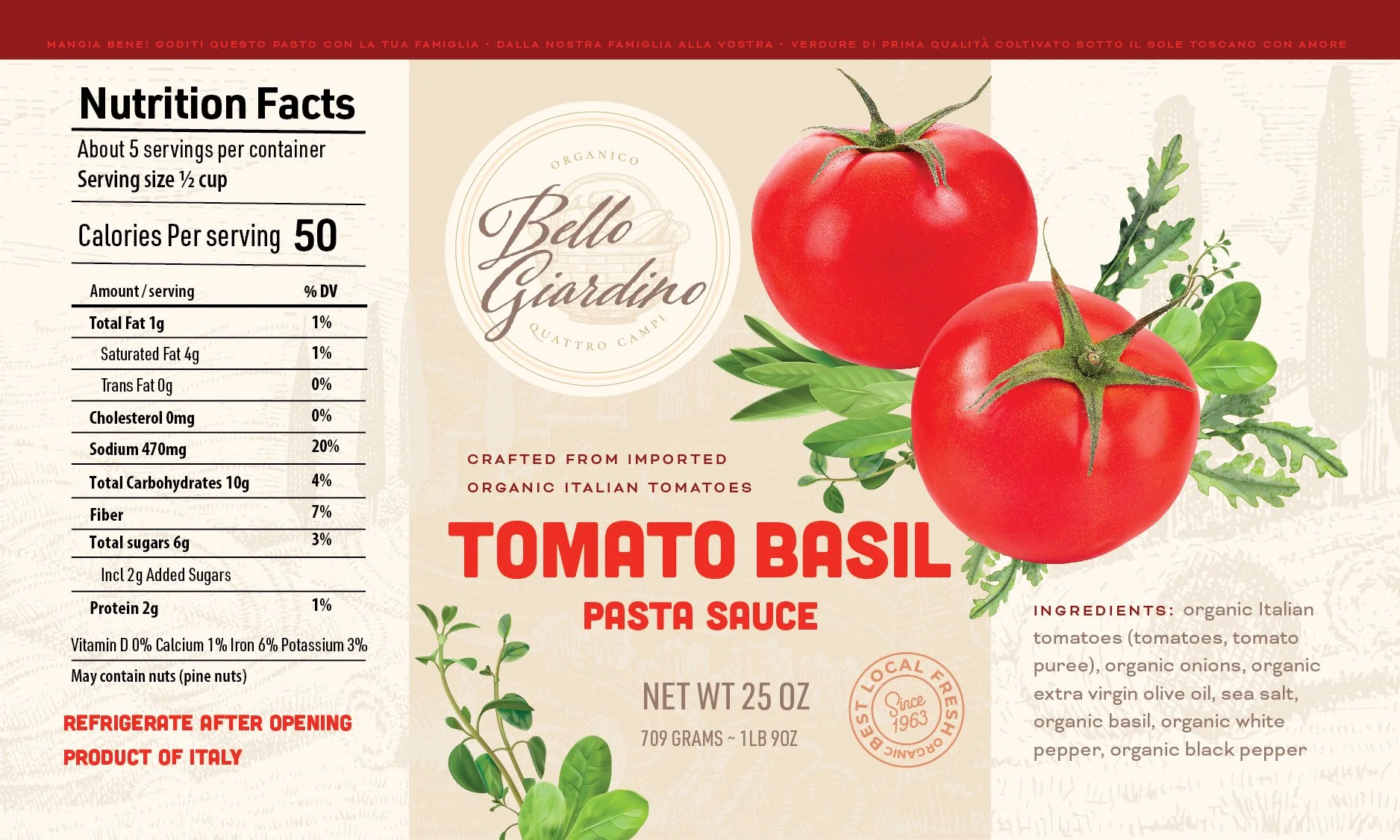
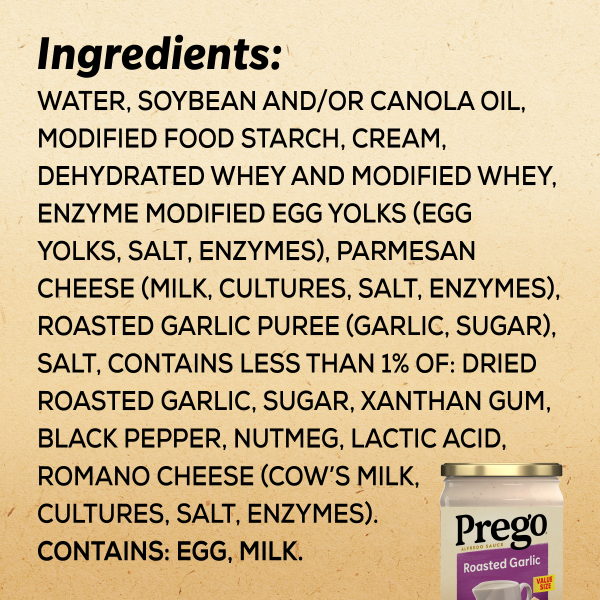
Which one do you think it is?
If you chose option 1, you’re absolutely right!
Here’s why:
Option 1 has fewer ingredients and of the ingredients listed, the majority are as Close to Whole foods as you can get.
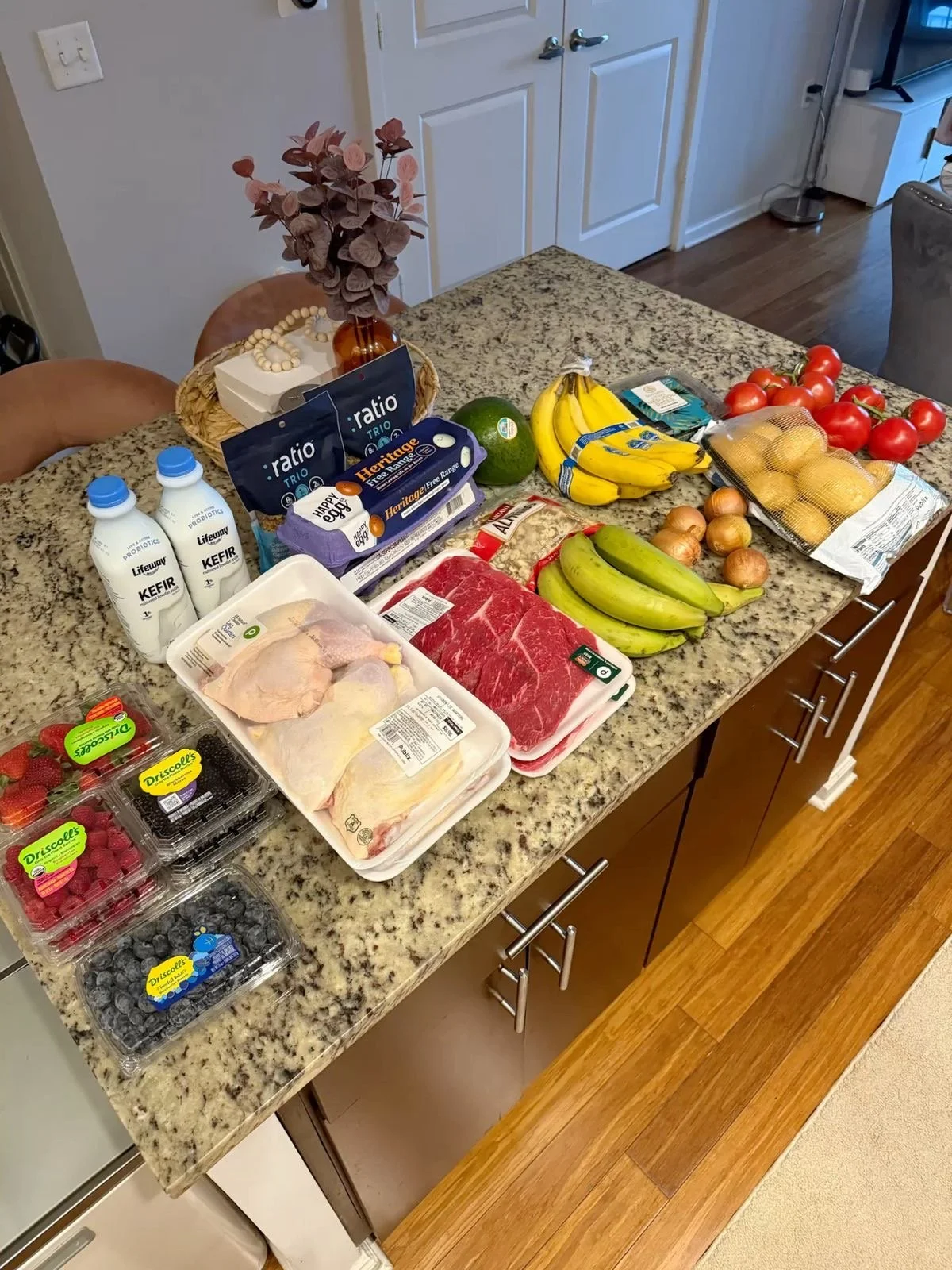
If you follow these directions, by the time you leave the store your groceries should look something like this.
These three images are great examples of mainly whole foods and minimally processed/clean pre-packaged food.


2. When building a balanced plate (at home)
So, how do you know if the meal you’re making is healthy? The answer is simple: by building a balanced plate with the CTW method.
Earlier, we covered whole food options you can find at the store (the whole food list)—now it’s time to put that into practice.
Here’s the formula:
1 Protein + 1 Carbohydrate + 1 Healthy Fat (from your Whole Food list) = A Healthy Meal.
Using this approach ensures you’re getting the essential macronutrients your body needs for energy, overall health, and disease prevention. As long as each item is minimally processed and as close to its natural state as possible, you’re creating a healthy plate.
This method keeps things simple, flexible, and nutrient-rich—perfect for everyday meals without the stress of overthinking.
Let’s look at some meals and break down whether they are healthy or not using the CTW method and balanced plate formula.
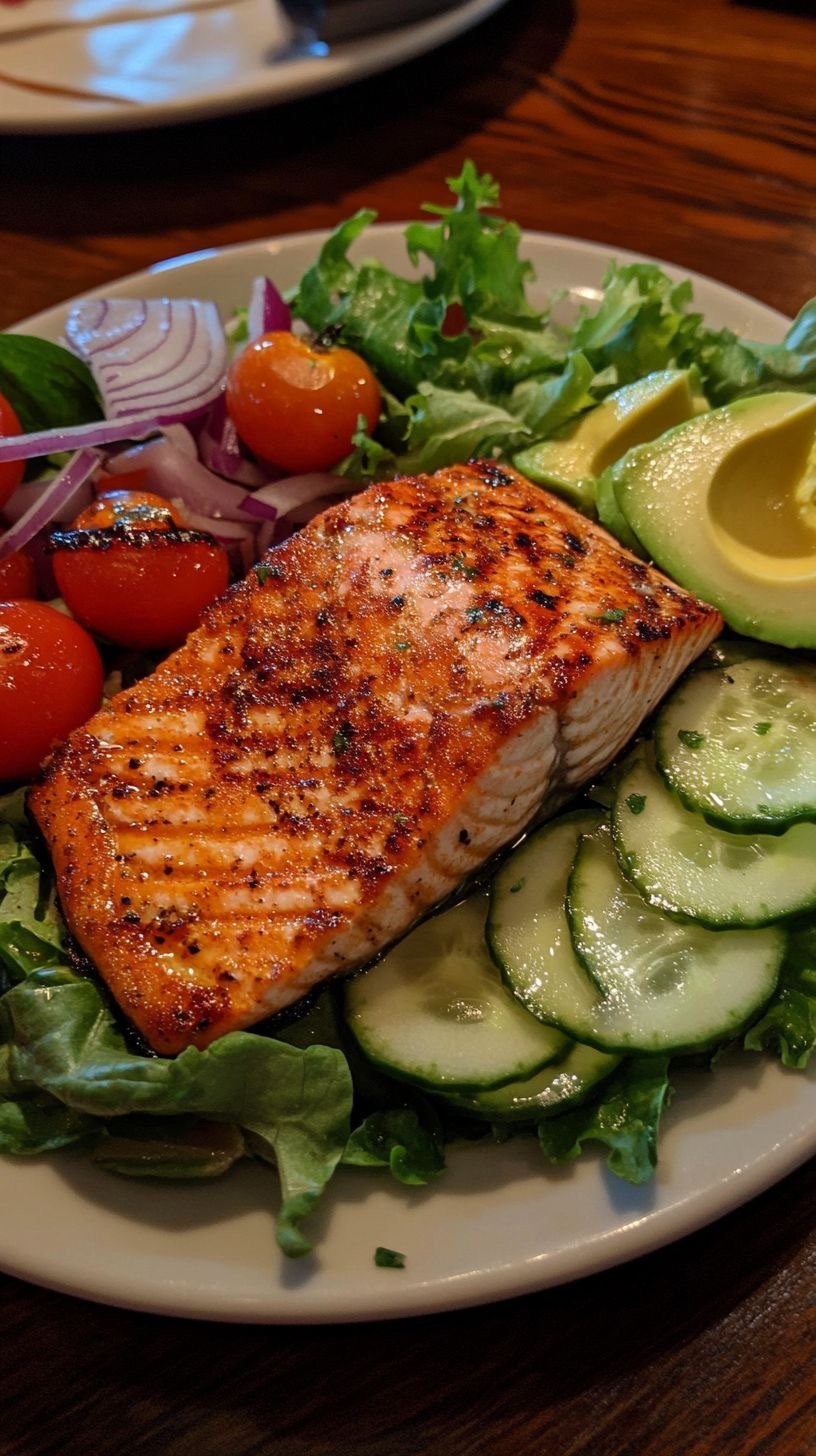
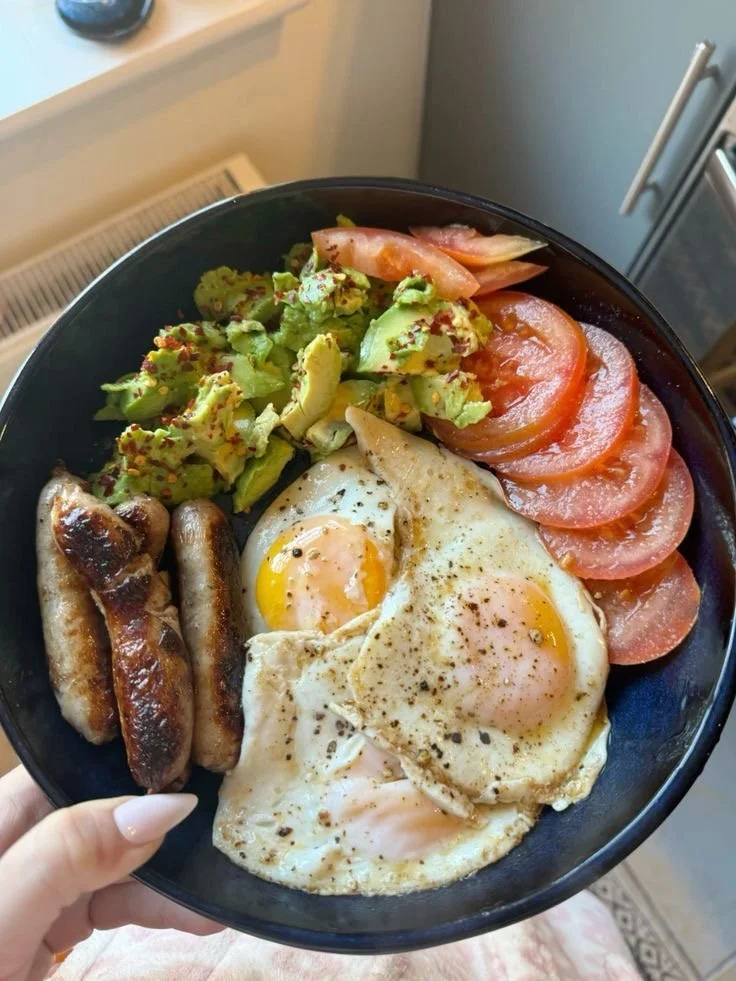

Images 1 & 2 are great examples of building a balanced plate with the CTW (Close to Whole) method. Both images contain whole foods and use the 1 Protein + 1 Carbohydrate + 1 Healthy Fat formula.
Image 3, however, is an example of an unhealthy plate. While the fish is technically a whole food, it’s been heavily processed through deep frying. The macaroni is loaded with dairy, and the sauce is questionable in terms of ingredients.
Enjoying a meal like this occasionally is fine, but for everyday eating, stick to foods you can confidently identify as CTW.
3. When Trying to Identify a Healthy Meal (Dining Out)
Just like building a healthy meal at home, dining out requires knowing how to spot a balanced, nutritious option.
Using the CTW (Close to Whole) method makes this simple. Here’s how:
Check the Ingredients
Look at the menu description or the plate in front of you and ask yourself: Are most of these items whole or CTW foods?
Balance Your Plate (Macronutrients)
Ask yourself: Does this meal include a protein, a carbohydrate, and a healthy fat?
If you can answer yes to both, you’re likely looking at a generally healthy meal!
A Few Important Notes
Restaurants often use sauces, oils, and bases that aren’t always listed. These can make a dish more processed, though still relatively healthy.
Preparation matters. For example, chicken is a whole food, but fried chicken is far less healthy than grilled or baked chicken.
A good rule of thumb: opt for baked, grilled, or seared options whenever possible. These keep foods in a minimally processed state.
And that’s the “Close to Whole” method explained and applied!
Core Takeaways
Let’s recap what you’ve learned:
A healthy diet is all about regularly eating foods that give you energy and help protect you from disease. Healthy food choices mean consistently selecting options that fuel your body and support long-term wellness. The best foods to eat are whole foods—those closest to their natural state.
A healthy meal is one that balances proteins, carbohydrates, and healthy fats without excessive additives. That’s where the CTW Method comes in: it’s a simple way to choose minimally processed foods by focusing on whole ingredients.
You now have a reference list of whole foods to guide you whenever you shop or plan meals. When grocery shopping, stick to the perimeter of the store, read your labels, and choose foods that are CTW. When building a plate, use the formula one protein, one carbohydrate, and one healthy fat from your whole food list to ensure balance. And when dining out, scan the menu for CTW ingredients and apply the same formula to your meal.
Final Remarks
Now that you understand the CTW Method and how to apply it in three different ways, you can confidently identify healthy food items, create balanced meals, and spot nutritious options when dining out—whether they’re on the menu or right in front of you. This approach cuts through the noise of flashy labels, uneducated advice, marketing tactics, and misleading wording, so you know exactly what you’re getting instead of relying on what someone else claims.
By following these principles, you’ll make healthy eating simple—even as a beginner. Using this method will give you peace of mind, knowing you’re informed about what goes into your body and whether it truly benefits your overall health.
Remember, nourishing yourself isn’t just about food; it’s an act of self-care. When you choose whole, balanced meals, you’re prioritizing your well-being and building habits that help you thrive. Healthy eating is more than a diet—it’s a way to show up for yourself.
Start small, stay consistent, and let these fundamentals guide you toward a lifestyle that feels good inside and out.