The 3-Step Skincare Strategy That’s Rapidly Improving My Hyperpigmentation
My Skin (and I) Through the Years
I’ve struggled with hyperpigmentation for years — more specifically, post-inflammatory hyperpigmentation (PIH). I started experiencing frequent breakouts in middle school, right around the time my hormones decided to flip the switch. At that age, I didn’t know the first thing about proper skincare — and honestly, I wasn’t that concerned. All I knew was that I hated seeing those annoying whiteheads on my face, and I wanted them gone. So, I popped them.
And before you start judging, trust me — I already know. Wild decision. But that was my reality at the time… and, since I’m being honest, it still is every now and then.
Fast-forward to my late teens, and my skin was definitely showing the consequences. I had a face full of PIH, and I was pretty insecure about it. Over the years, I tried tons of topical products hoping I’d finally clear my dark marks. Some helped a little, some didn’t do much at all, but overall, my skin never made the kind of progress I hoped for.
By the time I reached my mid-twenties, my hormones had finally settled down, and the breakouts slowed way down. That pause gave my skin a chance to start healing on its own and fade a few spots naturally. At that point, I accepted that I’d probably spend the rest of my life taking better care of my skin and hoping the hyperpigmentation would fade eventually.
In the meantime, I leaned into makeup. I learned how to use it to camouflage the dark spots as I entered the workforce — because looking polished and put together mattered to me, no matter what my skin was doing underneath.
While makeup definitely served its purpose over the years, I’ve reached a point in my life where I just want my skin to be clear and radiant — and I’m willing to do whatever it takes to get it. I’ve seen so many women who struggled with the same PIH and complexion challenges as me, and watching their transformations reminded me that if they can achieve clear skin, I can too.
I decided to regroup and restart my journey to clear skin. And although I’m technically back at the starting line, the goal remains the same: completely fading my hyperpigmentation and achieving blemish-free skin.
The fire to transform my complexion was reignited, and I felt rejuvenated! I was ready to get it poppin’ - the only problem was… I had no idea where to start. So, I did what any curious woman would do: I started studying the routines of women with flawless, glowing complexions to figure out their secret.
It didn’t take long to realize that the women with truly radiant skin aren’t relying solely on whatever happens to be on the drugstore shelves, following every trending tip, or trusting beautifully marketed products. They’re taking their skin’s health into their own hands and making intentional, informed choices that directly influence their complexion and their results.
So, I followed the leaders. I paid attention to the recurring themes in their routines and began reshaping my own based on what has consistently proven to work. In just under three months, those applied lessons have brought me the most noticeable progress I’ve ever seen in my hyperpigmentation journey — subtle shifts that added up in a major way.
Today, I’m sharing the 3-step skincare strategy I’ve recently implemented that’s been rapidly improving my hyperpigmentation. By the end of this post, you’ll know exactly what I’ve been doing to improve the appearance of my PIH, why I decided to incorporate each step into my skincare strategy, and how these changes are moving me forward on my journey.
Let’s get into it!
My Tried-and-True 3-Step Skincare Strategy
Step 1. Seek Professional Guidance
The women with blemish-free faces are working with skincare professionals like dermatologists and estheticians to keep their skin at its best.
Now, I’m no expert (and I don’t plan to be by the time I finish this journey), but one thing I know for sure is this: education is key to achieving results in anything you do.
Professionals who truly understand skin can pinpoint the underlying issues you’re dealing with and guide you on how to properly manage them. Depending on the provider, they can even create a personalized treatment plan tailored specifically to your needs — helping you see real, noticeable improvements much sooner.
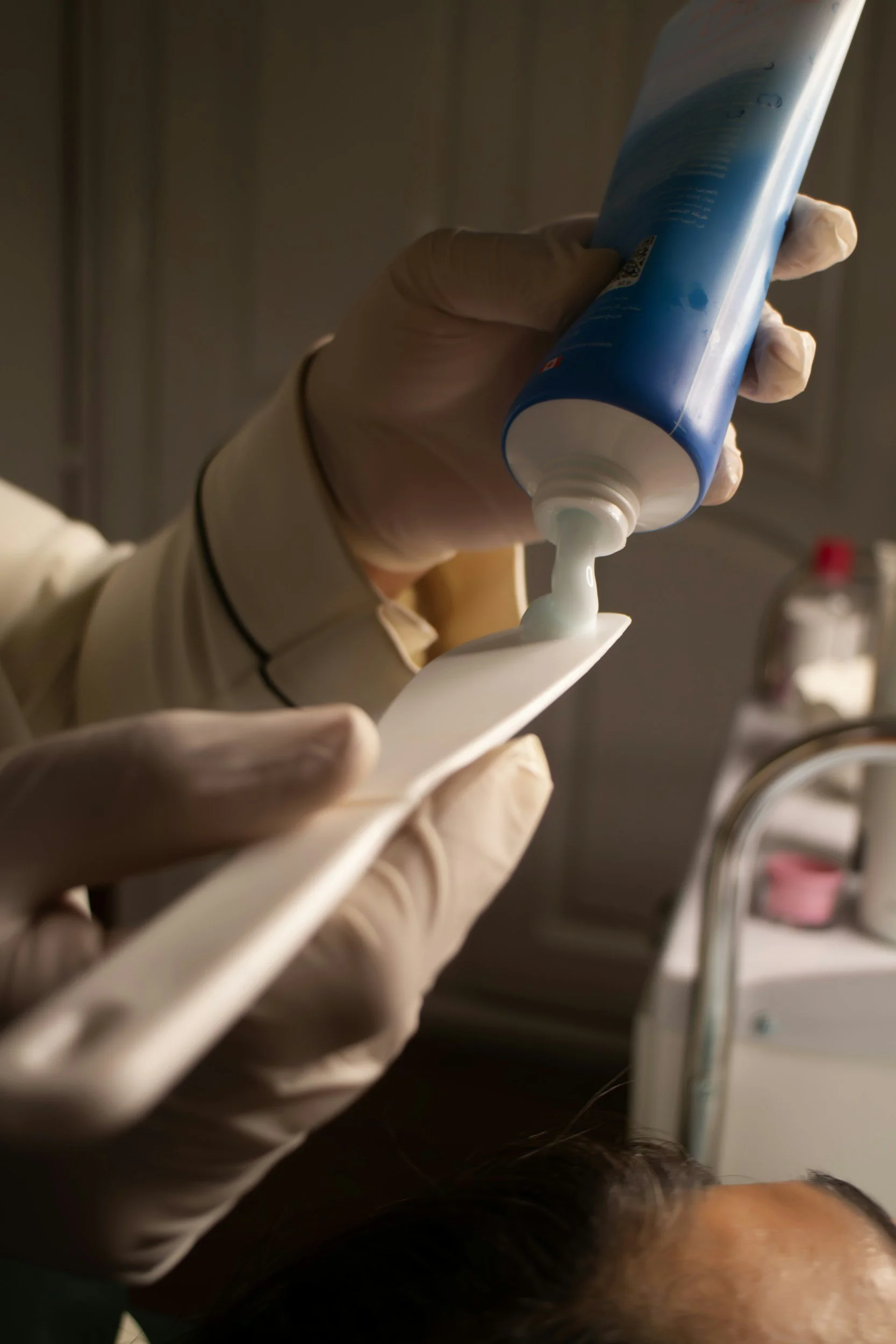
The first step in my skincare strategy was seeking professional guidance so I could better understand my skin’s underlying challenges and learn how to correct them effectively.
For me, it was important to work with someone who not only had a similar skin tone to mine but also had the kind of flawless complexion I was aiming for — someone knowledgeable, skilled, and capable of performing the treatments my skin needed, while also understanding the specific needs of darker skin.
After researching countless providers in the Houston area, I found, and decided to work with Leslie Fernandez, the owner of Divine Skin Studio in Katy, TX — now located in the Galleria area.
-
Every time I’ve visited Leslie’s studio, it’s been pristine, calming, and incredibly welcoming. When you book with her, the entire appointment is dedicated solely to you. She’s friendly, communicative, and truly customer focused.
She takes the time to understand your skin goals, assesses where your skin currently stands, and recommends products and services based on what will genuinely move you toward those goals — not what will pad the bill. She walks you through everything happening during your treatments and makes sure you understand the aftercare, so your skin heals beautifully.
She has performed a chemical peel + facial and chemical peel + microneedling combo on me, both yielding beautiful results!
I can’t recommend Leslie enough. She is everything I was looking for — and then some.
If you want to check out her services, I’ve linked her website here: The Divine Skin Studio
The information I’ve received from her has been so helpful in guiding me toward the skin I want. Leslie answers all my questions, provides thoughtful feedback on my progress, and makes recommendations for what she believes the next steps should be as my skin continues to improve.
Overall, working collaboratively with a licensed professional has helped me rapidly improve my hyperpigmentation by giving me access to expert information, quality product recommendations, and targeted services that have enhanced the appearance of my skin.
Building rapport with one professional who regularly monitors my skin for changes — good or bad — and knows exactly how to address them has given me so much peace of mind. It makes me feel confident and secure in continuing my journey with her.
Step 2. Incorporate Targeted Treatments
Incorporating targeted treatments has been the single most effective thing I’ve done for my skin — period.
This is exactly what the IT girls of skincare are doing to keep their complexions flawless.
Targeted treatments are the key to seeing real, noticeable changes in your skincare journey because they’re tailored to your skin’s specific needs. As I mentioned before, my main goal is to fade my hyperpigmentation and work toward blemish-free skin. That means I’m not just focusing on lifting those dark marks from beneath the surface — I’m also working to even out my skin’s texture, tone, and overall appearance.
I had an idea of the treatments I wanted to try going into this journey, but after chatting with Leslie, my plan shifted a bit.
There are tons of treatment options depending on your goals, but the three I’ll be covering today — the ones I’ve personally been using to fade my PIH and improve my complexion — are facials, chemical peels, and microneedling.
These targeted treatments have transformed my complexion in such a short time that it honestly feels unreal.
If this is your first time hearing about any of these treatments or you’re unsure of their benefits, don’t worry — I’ve got you.
Let’s start with facials.
-
Facials are the foundation of any solid professional skincare routine. They help by:
Deep cleansing beyond what you can do at home
Removing buildup, dead skin, and congestion
Hydrating and balancing the skin barrier
Improving circulation to give a natural glow
Boosting product absorption
Preventing breakouts by keeping pores clear
Providing consistent results (monthly facials really add up!)
Facials essentially keep your skin in its best working condition so everything else you do — products, treatments, routines — becomes more effective.
A basic facial (cleansing, exfoliation, mask, massage) is generally maintenance, not a targeted treatment — it helps overall skin health, hydration, and glow but isn’t specifically designed to correct a condition like PIH.
A targeted facial, however, is customized to address a specific concern such as:
Hyperpigmentation (using brightening serums, chemical exfoliants)
Acne (salicylic acid, deep pore extractions)
Fine lines or texture issues (collagen-stimulating ingredients, resurfacing masks)
So, a facial can be a targeted treatment if it’s designed to treat a specific skin concern rather than just general maintenance.
I started getting facials earlier this year, but I didn’t begin getting them consistently until I decided to really elevate my skincare routine. And honestly, every single time I get one, I can immediately see how much my skin benefits. My pores are unclogged, my texture is smoother, my complexion is brighter, and overall, my skin just looks healthier and more hydrated. Beyond that, there are plenty of other benefits I’ve noticed, which I’ll highlight as I break down the types of facials I’ve been getting.
This year, I’ve done Corrective Facials, LED Light Therapy Facials, and Chemical Exfoliation Facials — all specifically aimed at targeting my problem areas.
Chemical Exfoliation Facials use acids like AHAs (glycolic or lactic acid) or BHAs (salicylic acid) to remove dead skin cells. They help with PIH by exfoliating the top layers of skin, speeding up cell turnover, and allowing pigmented areas to fade faster. These facials also improve texture and smooth out rough patches.
LED Light Therapy Facials use different wavelengths of light, like red and blue, to address specific skin concerns. Red light can reduce inflammation and promote healing, which helps prevent dark marks from forming after breakouts. Some estheticians pair this with brightening serums for even better results.
Corrective Facials are fully customized, combining deep cleansing, exfoliation, brightening serums, and sometimes light therapy. They tackle multiple aspects of hyperpigmentation by reducing inflammation, brightening the skin, and speeding up cell turnover.
I chose to begin my skincare journey with facials because, prior to this, I had little knowledge about how to properly care for my skin. After doing some research, I realized how important it is to give your skin a deep, thorough cleanse—a true reset. Facials provided exactly that for me, serving as the perfect starting point before I advanced to other treatments.
Now that I’ve added more advanced treatments into my routine, my facials are included — which is a win-win. I don’t have to schedule separate appointments or pay extra to keep up with regular facials, yet I’m still able to enjoy all their benefits. At the same time, I can address other specific skin concerns more effectively and aggressively. Now on to chemical peels and microneedling:
-
Chemical peels use acids to exfoliate the skin more deeply than any at-home product. Their benefits include:
Fading hyperpigmentation (PIH, dark spots, discoloration)
Smoothing texture and rough patches
Brightening dull, tired-looking skin
Stimulating collagen production
Softening fine lines and signs of aging
Helping treat acne by keeping pores clear
Increasing cell turnover for fresh, new skin
Peels also come in different strengths, so you can start gentle and work your way up.
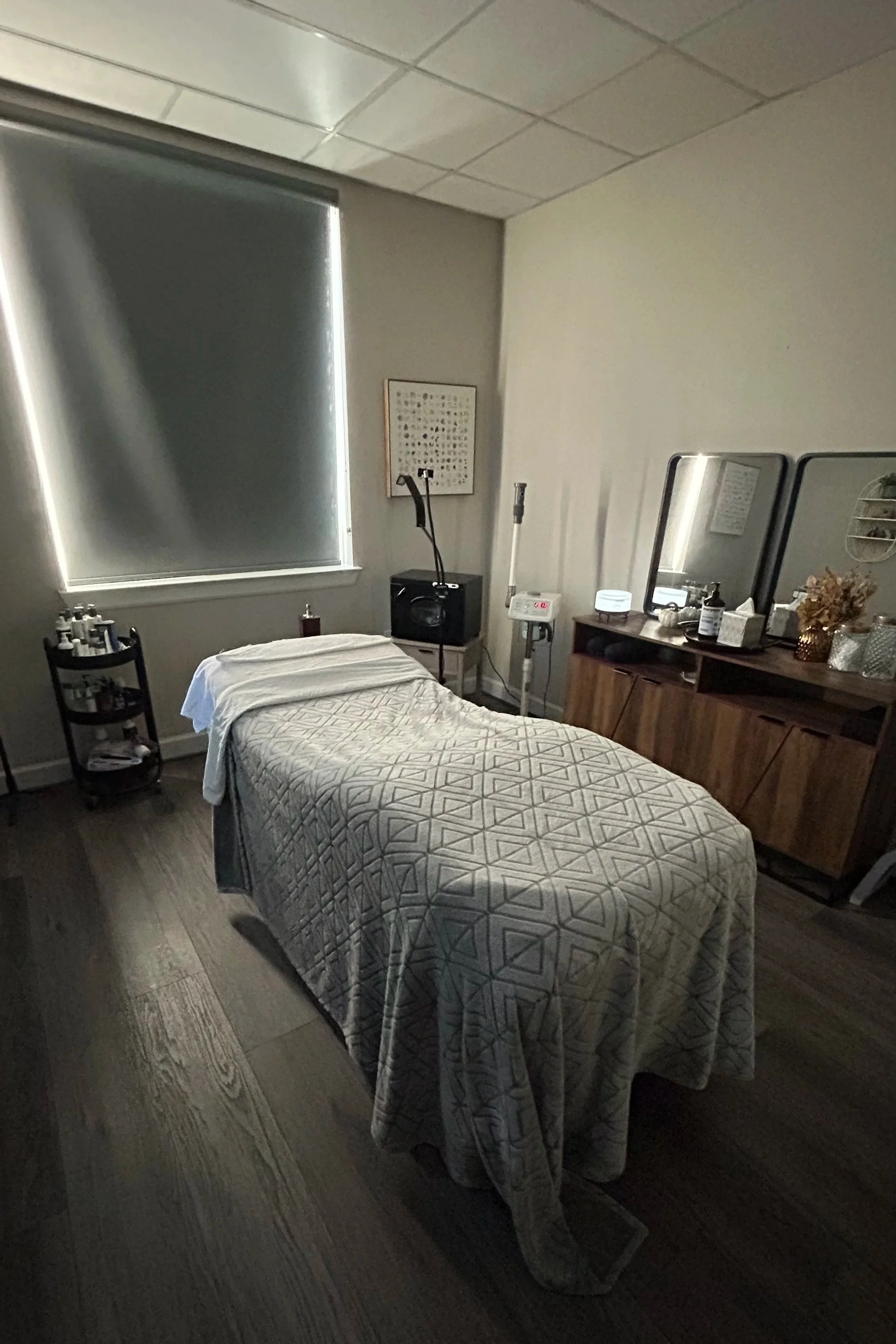
I got my first chemical peel in September, followed by a second peel combined with microneedling at the beginning of November — and honestly, the results speak for themselves.
These treatments have given my skin new life: they’ve brightened my complexion, smoothed texture, faded dark spots dramatically, and restored a confidence I hadn’t felt in years.
If I had known what I know now, I would’ve invested in them years ago.
And yes — I say invest, because while they can be pricey, the results are absolutely worth it.
A couple of things to know about chemical peels: depending on your skin’s condition, you may need a series of treatments before seeing major changes. And the process doesn’t stop once the visible peeling ends — you’ll peel for 1–2 weeks, but your skin continues to turnover and fade hyperpigmentation long after.
This was my favorite part: waking up each day to skin that looked even clearer than the day before.
-
Microneedling creates tiny micro-injuries that trigger your skin’s healing response — which means more collagen, more renewal, and better skin overall. It’s especially effective for:
Hyperpigmentation
Acne scars and pitted scarring
Texture issues (roughness, enlarged pores)
Fine lines and wrinkles
Firmness and elasticity
Enhanced product absorption
It basically tells your skin, “Wake up, repair, and rebuild.”
As I mentioned, I recently added microneedling to my chemical peel treatments. This allows the acids to penetrate deeper into the skin, which was essential since much of my hyperpigmentation existed below the surface. Based on my results, it’s clear that chemical peels and microneedling are two of the most effective treatments for fading hyperpigmentation.
Below are photos of my skin on September 4, 2025 (the day of my very first chemical peel), compared to how it looks now, 20 days after my second treatment.
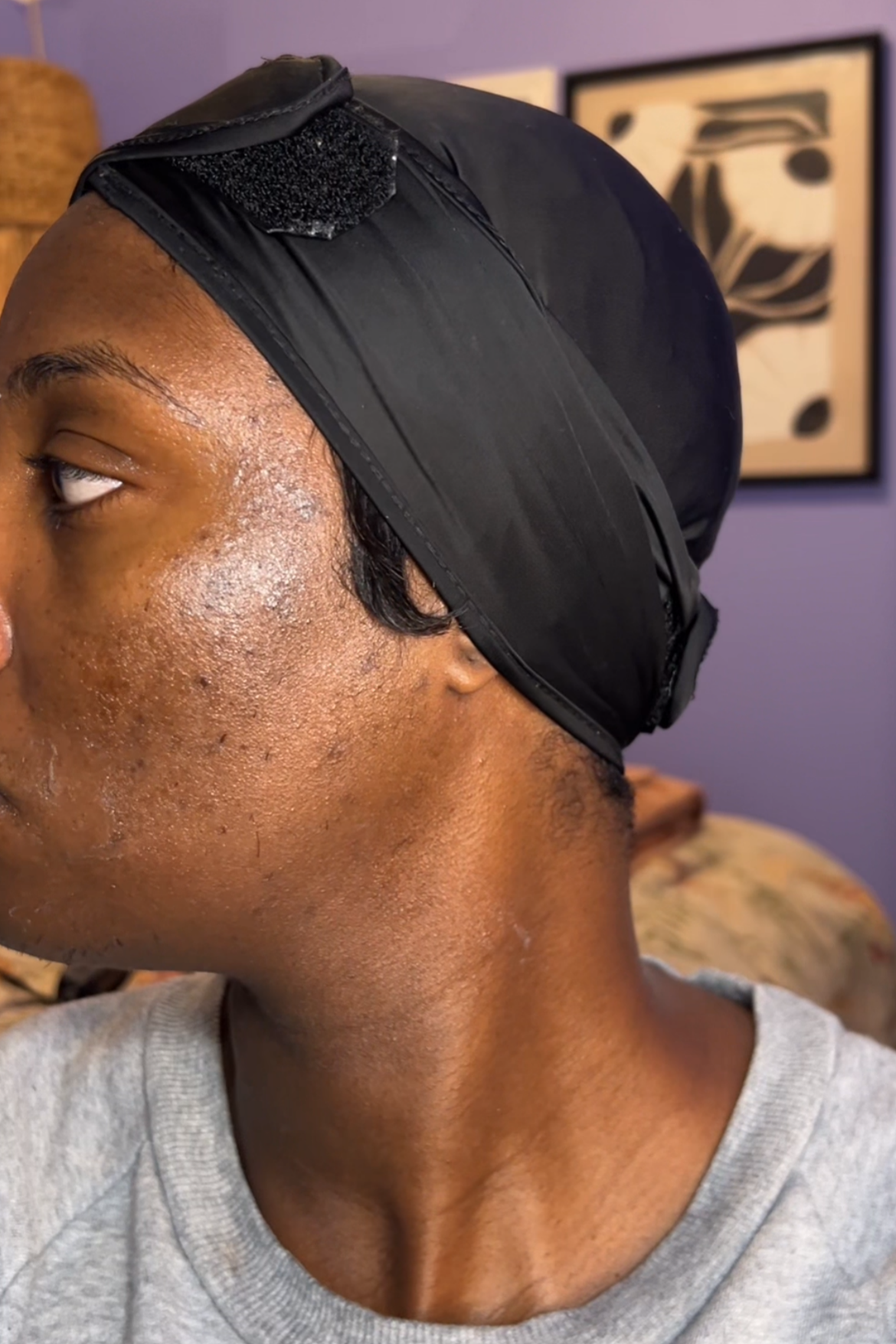
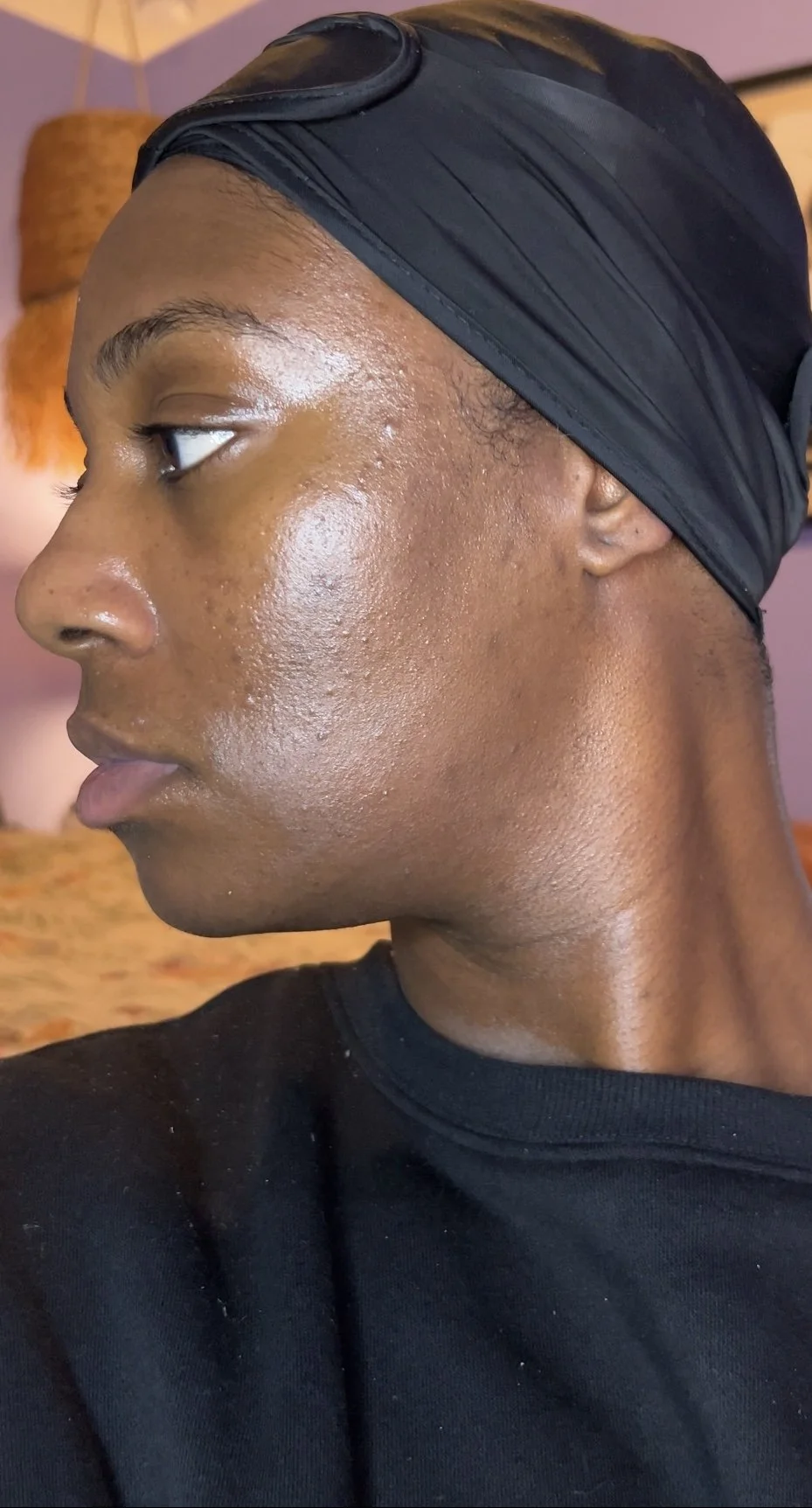
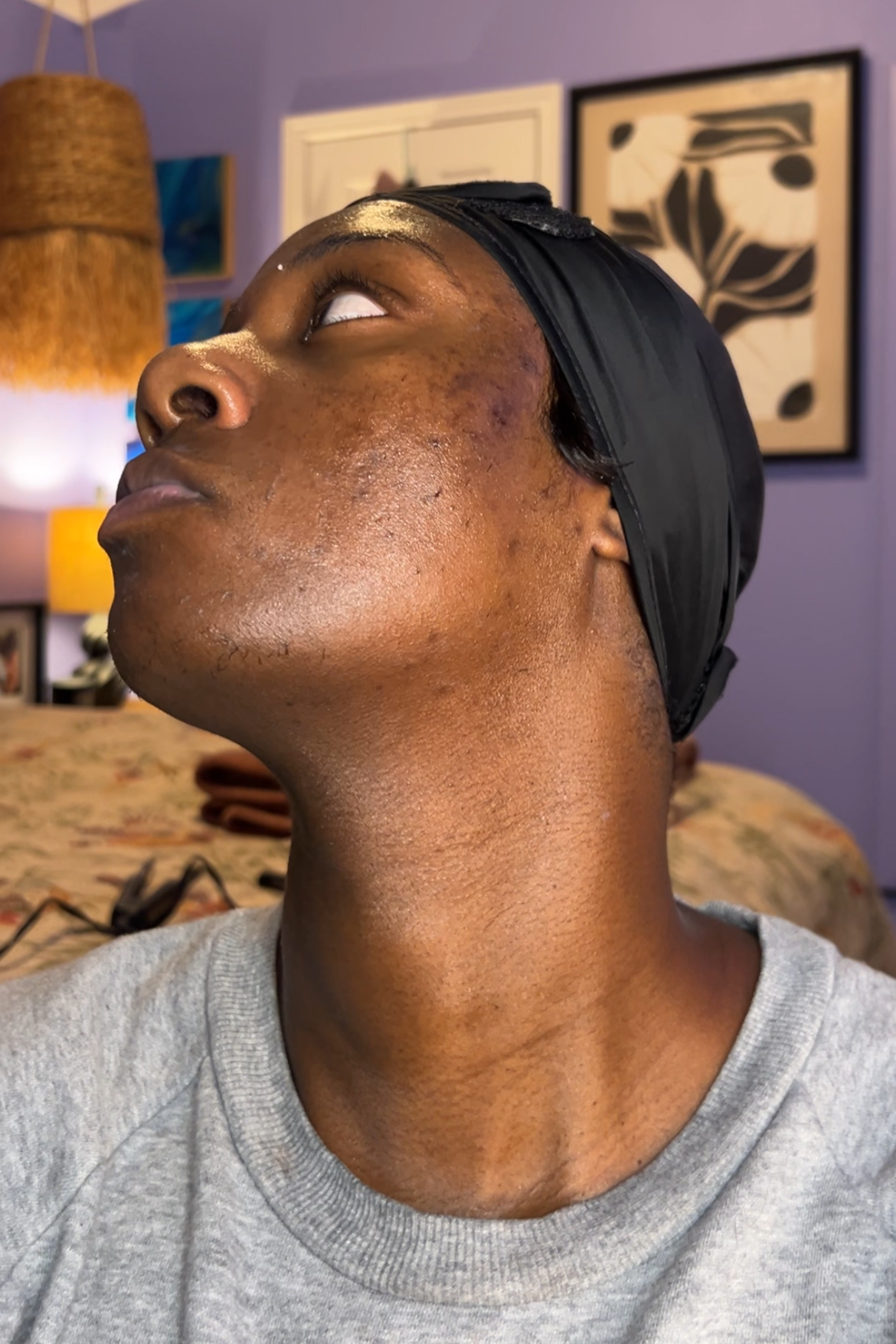
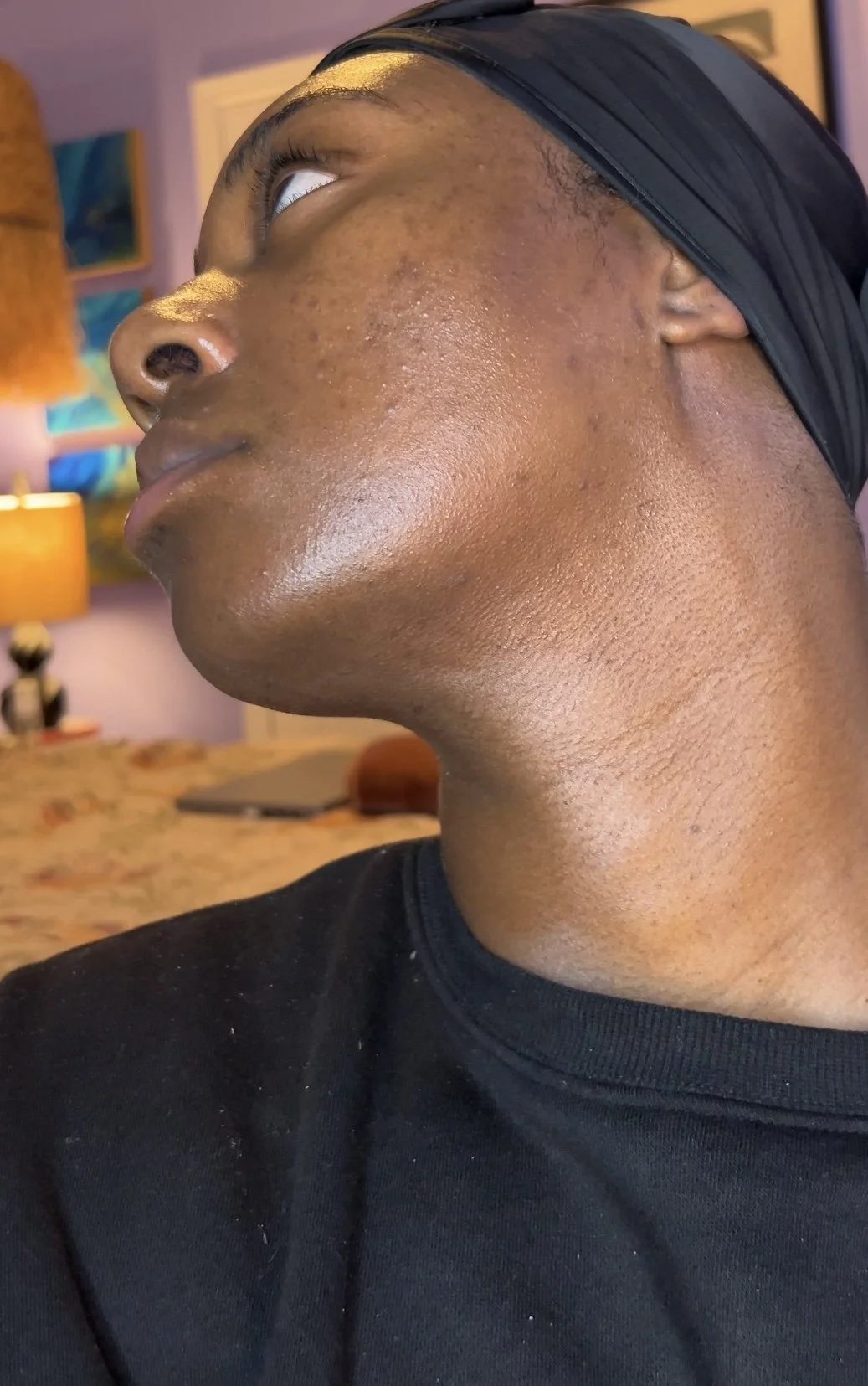
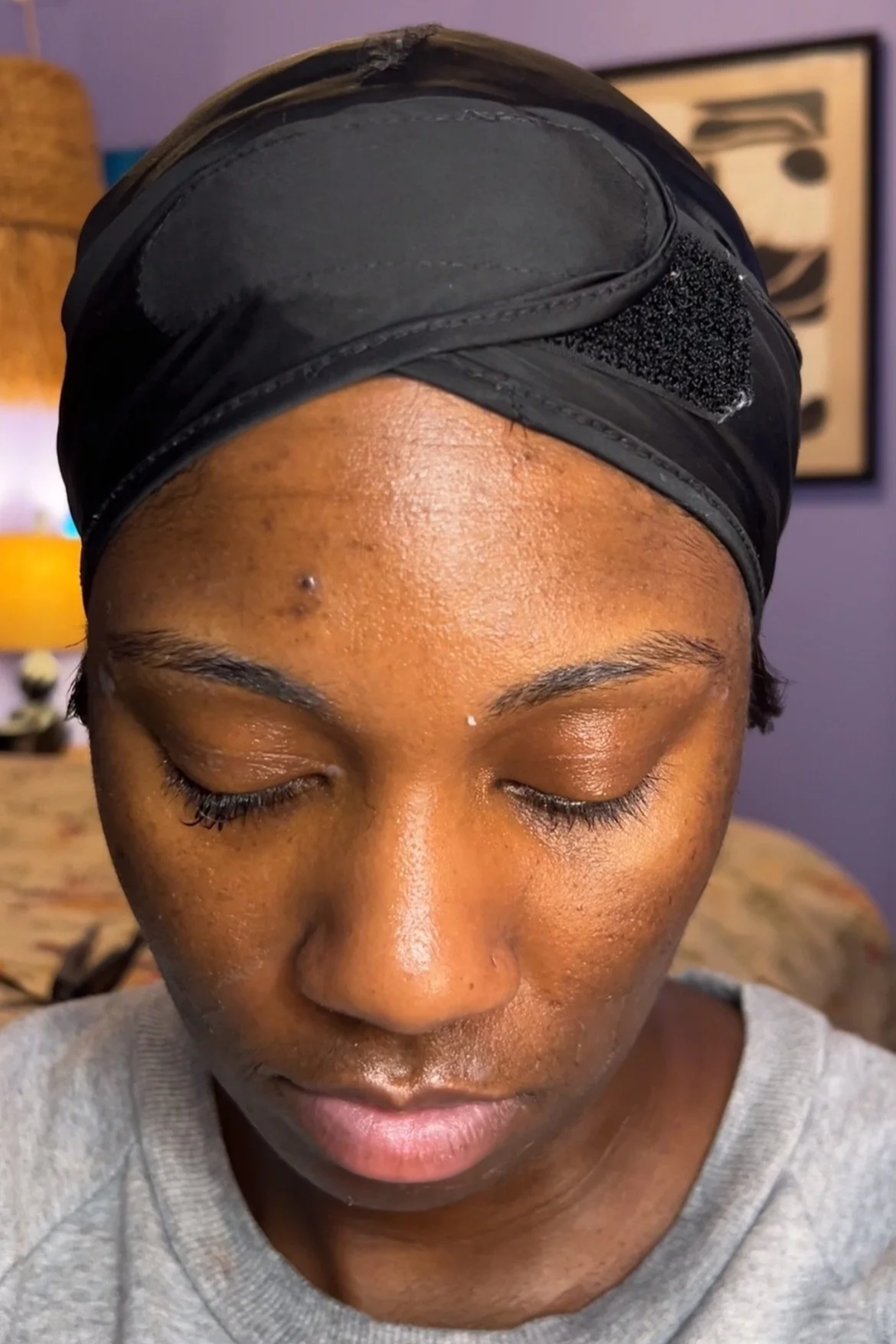
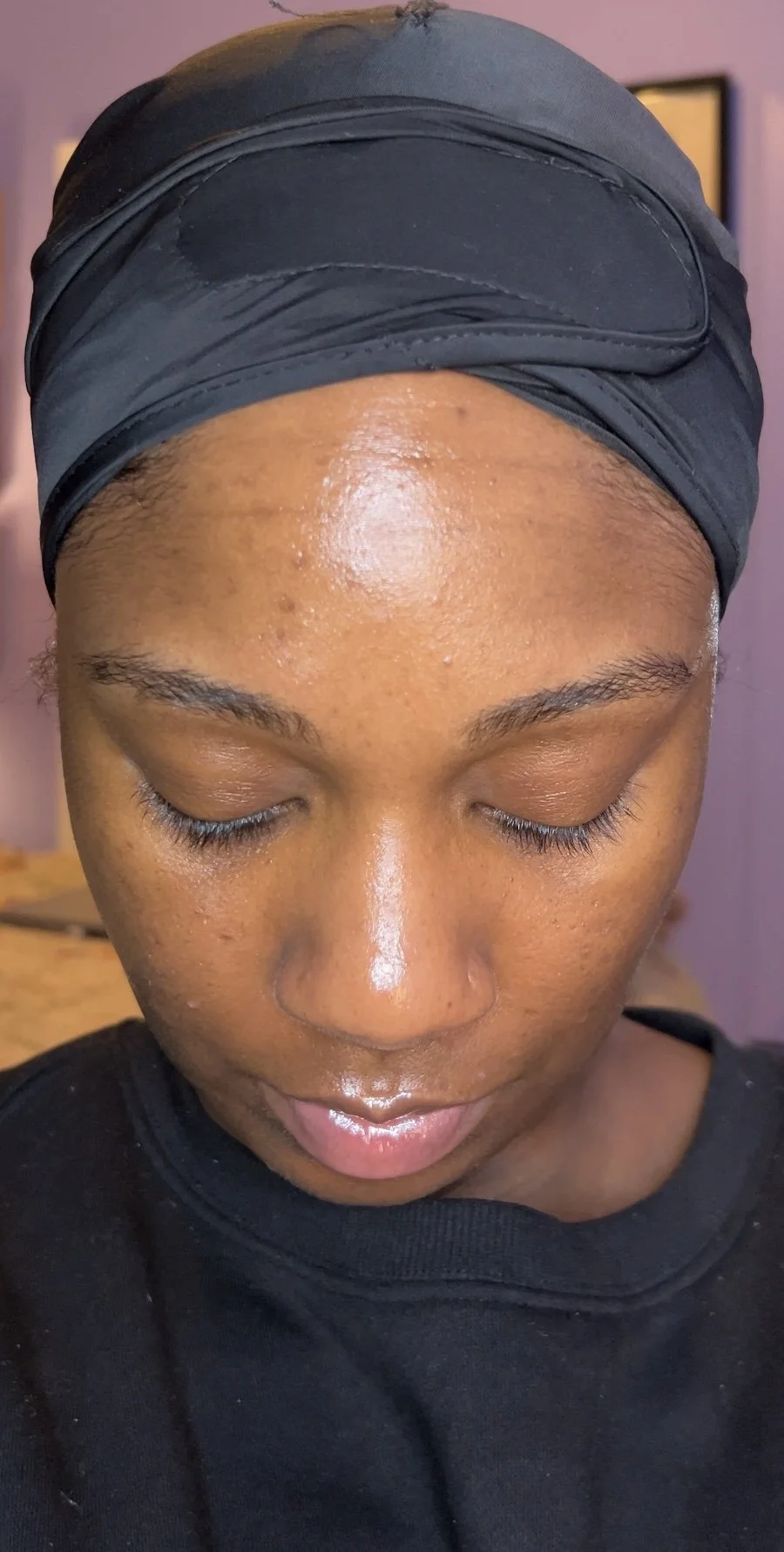
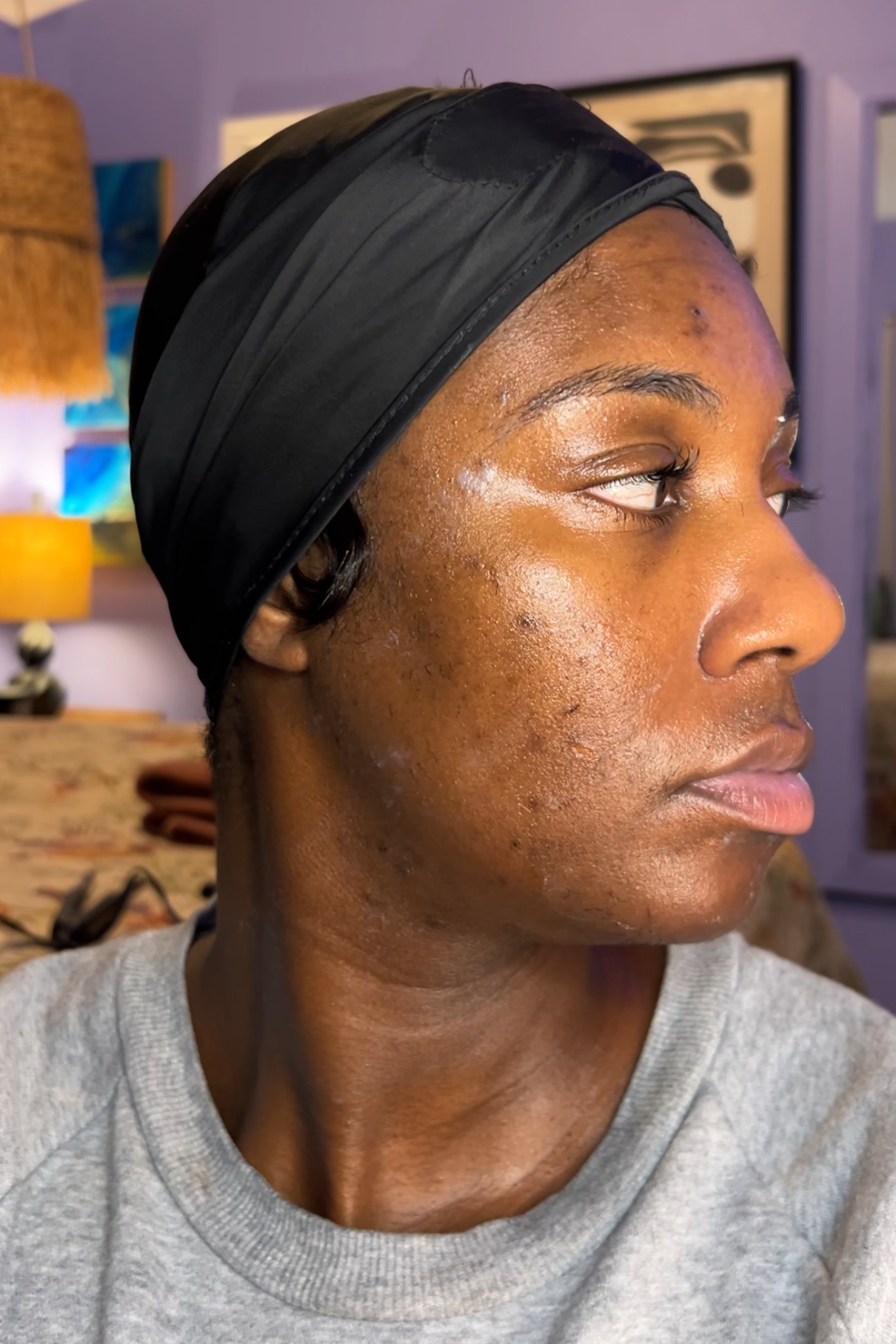
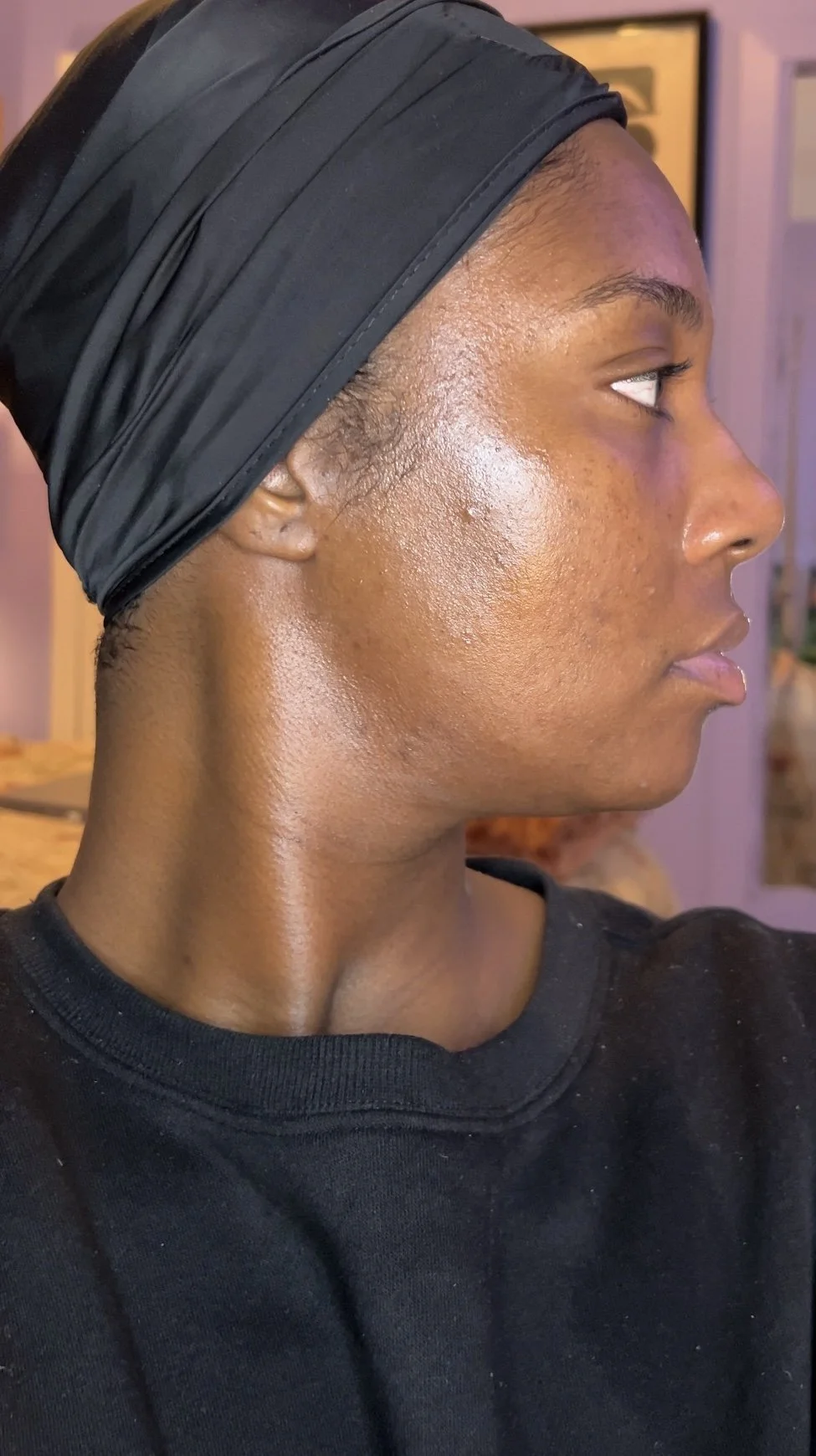
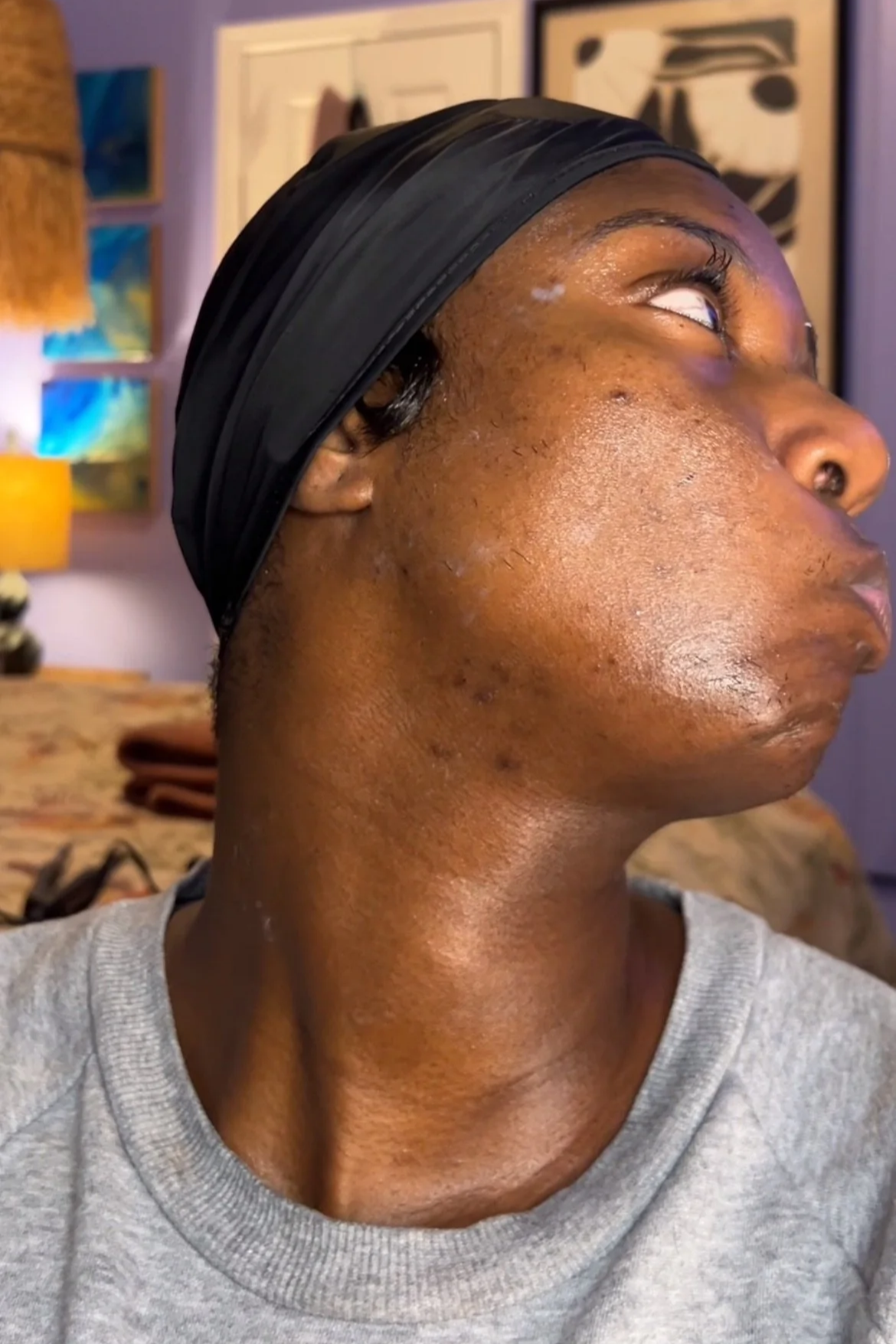
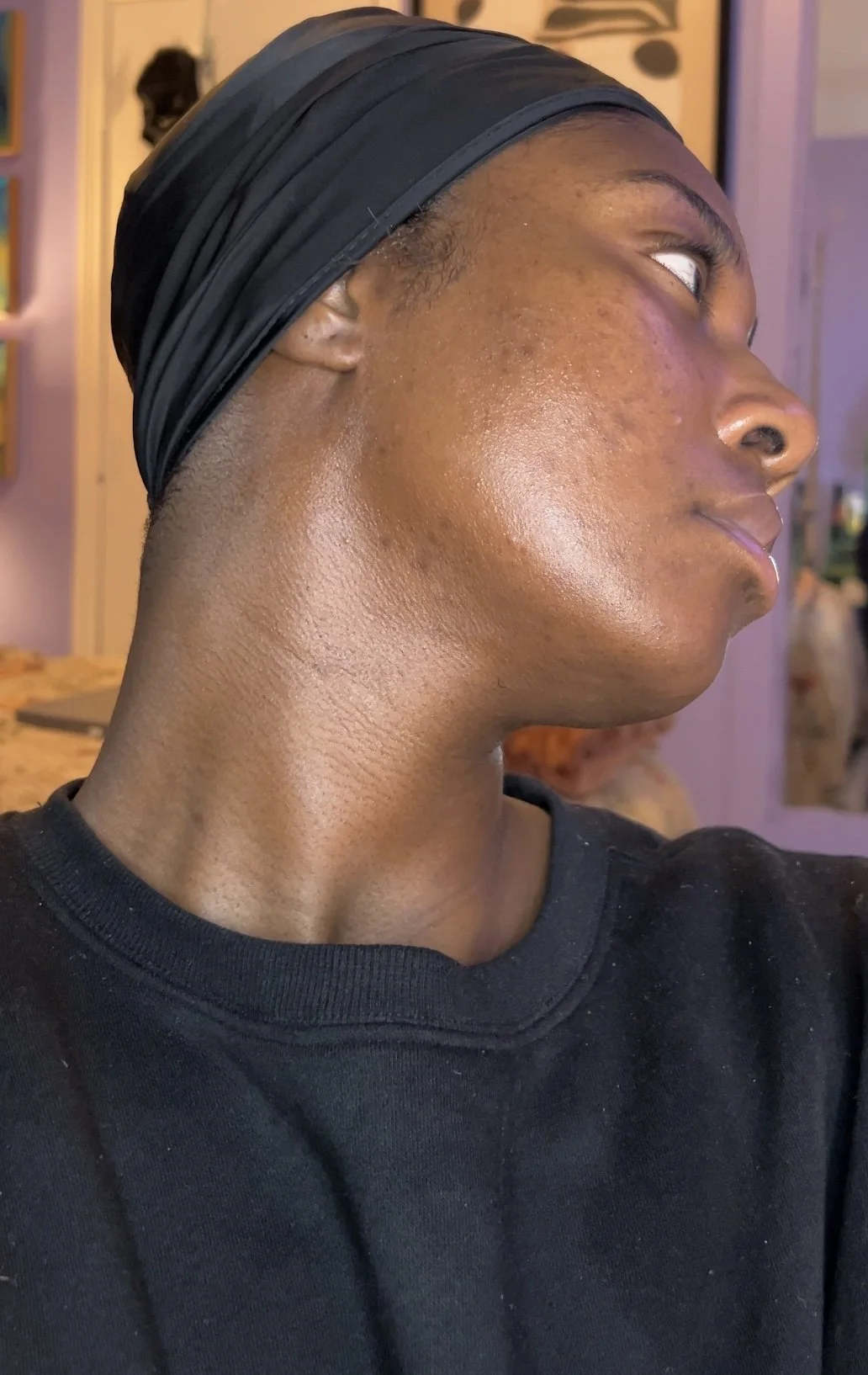
Investing in chemical peels and microneedling was a joint decision between Leslie and me. Both treatments addressed the specific skin concerns I wanted to overcome at a deeper level and promised faster, more noticeable results. As you can see from the benefits I’ve shared and the before-and-after photos, just two chemical peels and one microneedling session have dramatically improved the overall appearance of my face. I couldn’t be more satisfied with the results!
Adding these targeted treatments was a total game changer, and I’ll continue them until I’ve achieved my goal of fully fading my hyperpigmentation. Once I’m advised to taper off, I’ll transition to less aggressive options focused on maintaining clear, healthy skin.
Step 3. Consistent Use of Clinically Backed Products
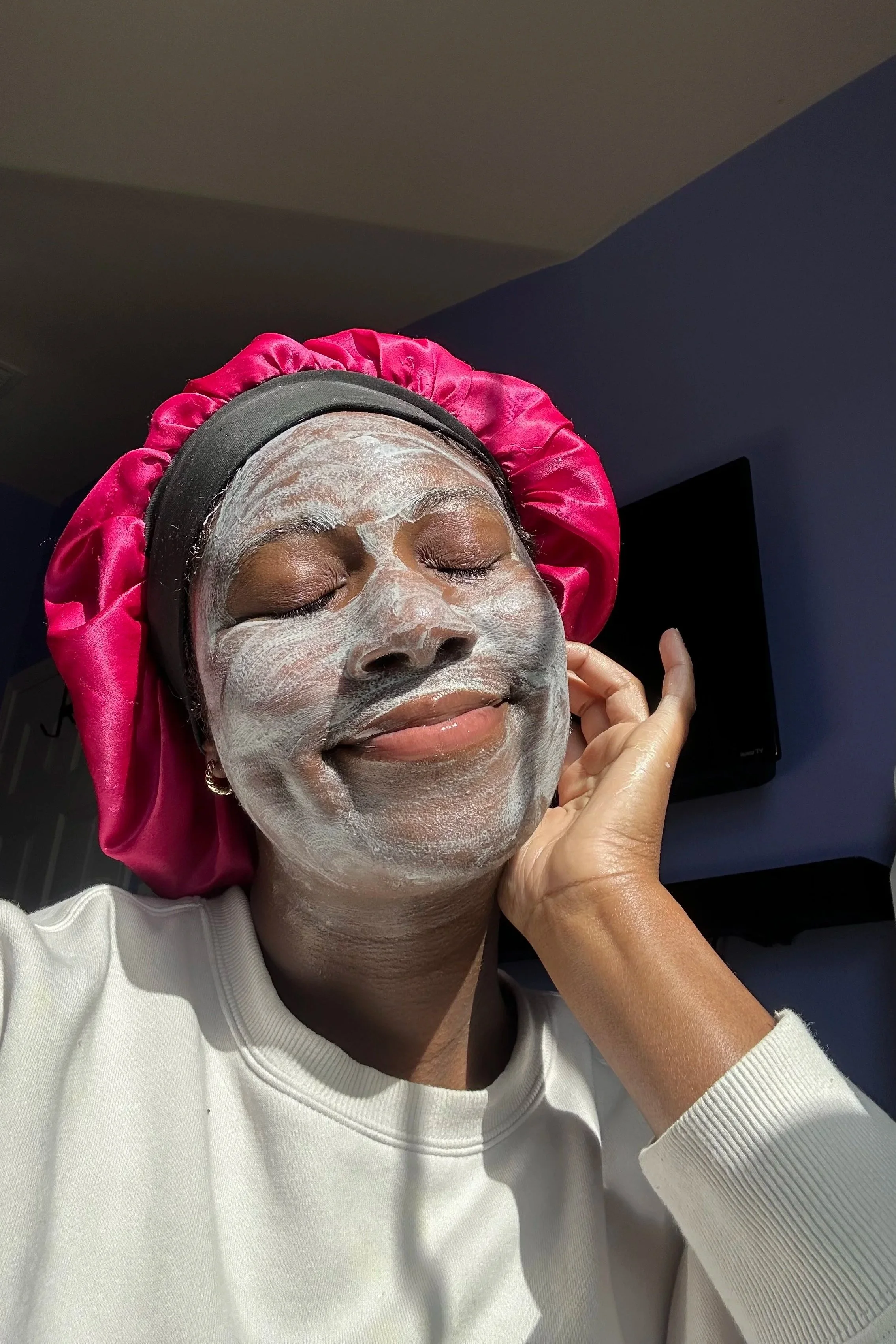
And finally, I swapped out my old skincare products for clinically backed formulas that I now use consistently.
Here’s the thing: it’s easy to get pulled into the hype.
So many popular products are marketed to us on TV, social media, and in stores, and they sound like they have everything we need to reach our skincare goals.
But the truth is, many of them just don’t perform the way they claim.
Some aren’t as effective as they sound, and others simply can’t deliver results beyond the surface.
Here’s why I made the switch from trendy products to clinically backed skincare:
-
Clinically backed products have been tested in real studies with real people. That means:
The ingredients do what they say they do
The formulas are effective at the concentrations used
The results are measurable, not just a promise on pretty packaging
When you’re dealing with hyperpigmentation — which is one of the hardest skin concerns to treat — you need more than hype. You need proof.
-
Drugstore products often contain “good” ingredients… but not always at strong enough concentrations to create real change. Clinically backed products usually include:
Stronger actives (like vitamin C, retinoids, AHAs, niacinamide)
Stabilized formulas so the ingredients actually stay potent
Higher-quality ingredients that penetrate deeper
It’s the difference between seeing small improvements and actually transforming your skin.
-
Hyperpigmentation lives below the surface, so your products need to reach the layers where dark spots form. Clinical-grade or clinically proven products often:
Use delivery systems that get ingredients deeper into the skin
Absorb more effectively
Work at the level where pigment is produced
This is why they produce faster, more dramatic results.
-
If you’re doing:
facials
chemical peels
microneedling
laser
Then clinically backed products help maintain and enhance your results between appointments. They keep your skin progressing forward instead of sliding backward.
Through the years, I’ve definitely succumbed to influencer videos and recommendations from regular users of skincare products — products that may have worked well for some but weren’t the best fit for me. Once I combined the guidance of a skincare professional with their recommendations for clinically backed products, I knew I couldn’t go wrong. There are so many factors to consider when choosing products for your specific skin type and needs that leaving my results to chance simply wasn’t an option. I wanted to invest in something I knew would work.
I now regularly choose clinically backed products, not only because they’re more effective, but also because they’re proven to deliver real results with high-quality ingredients that penetrate the deeper layers of the skin where hyperpigmentation forms.
And the key? Consistently using these products is essential for protecting my investment in my skin over the long term.
Once I started consistently using clinically backed products that specifically target my problem areas, I began seeing noticeable results — my PIH started fading, and my complexion became more even. I was also able to maintain the progress in my skin’s overall health and appearance. Instead of wasting time and money guessing what might work, I now rely on formulas that are tested, potent, and designed to deliver visible results faster.
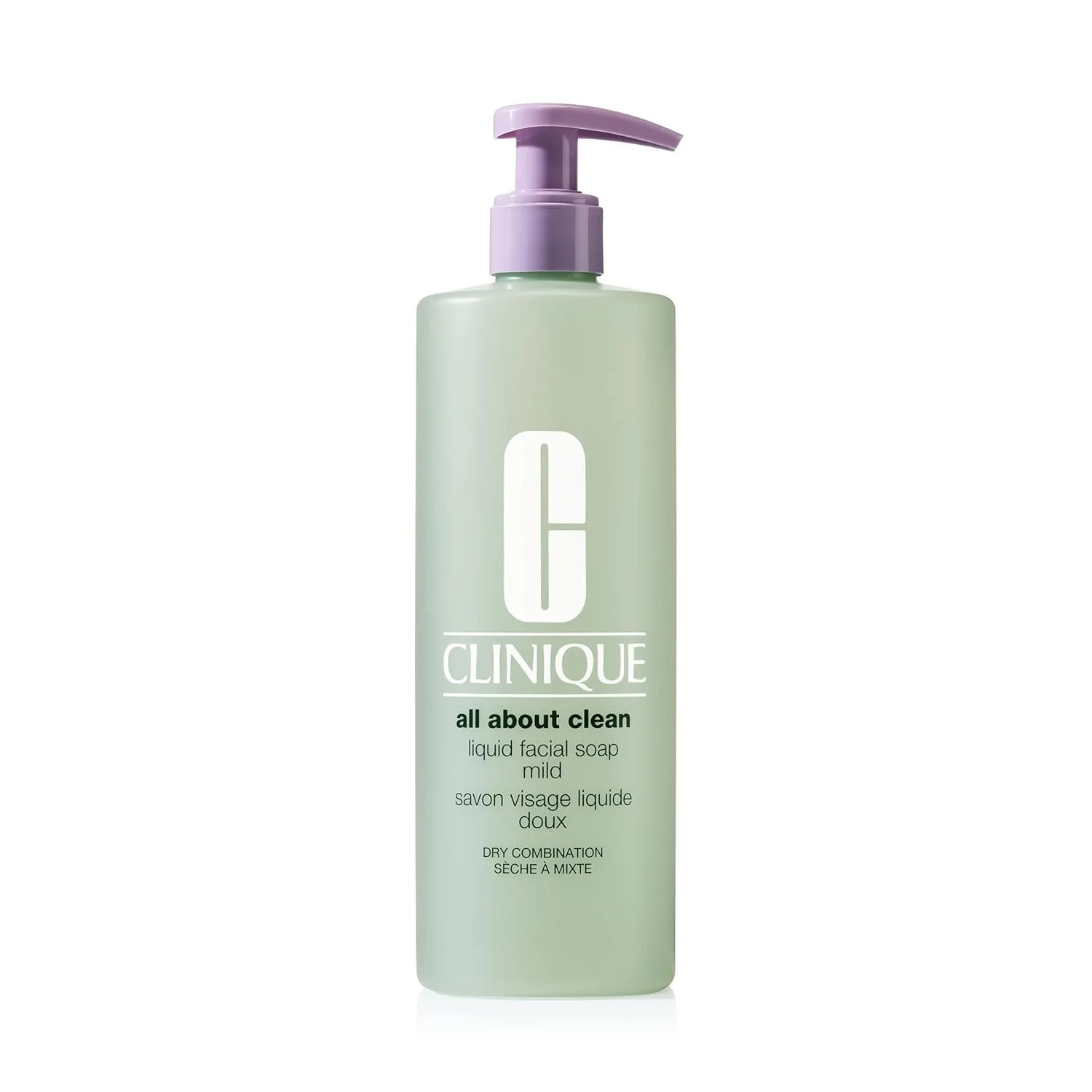
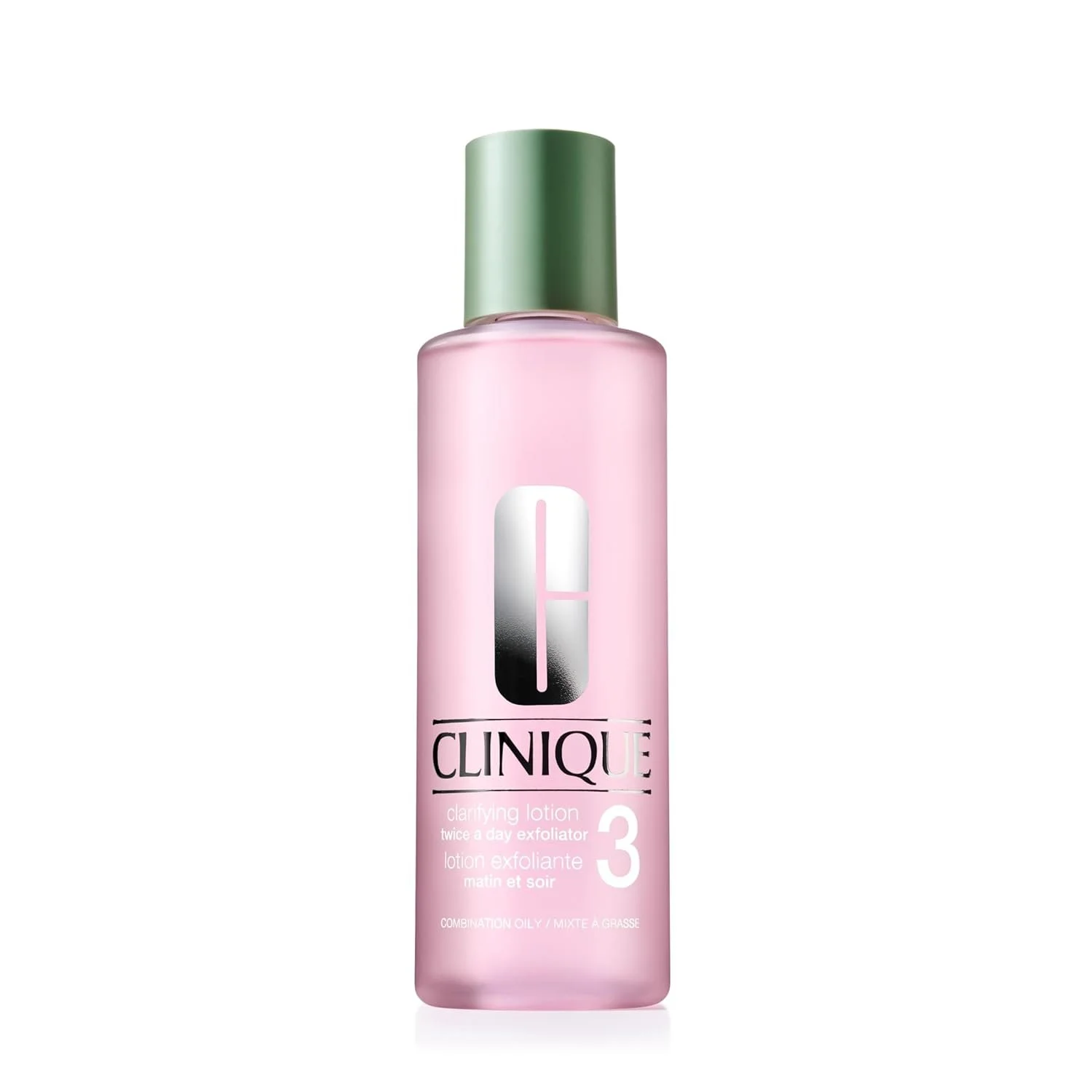
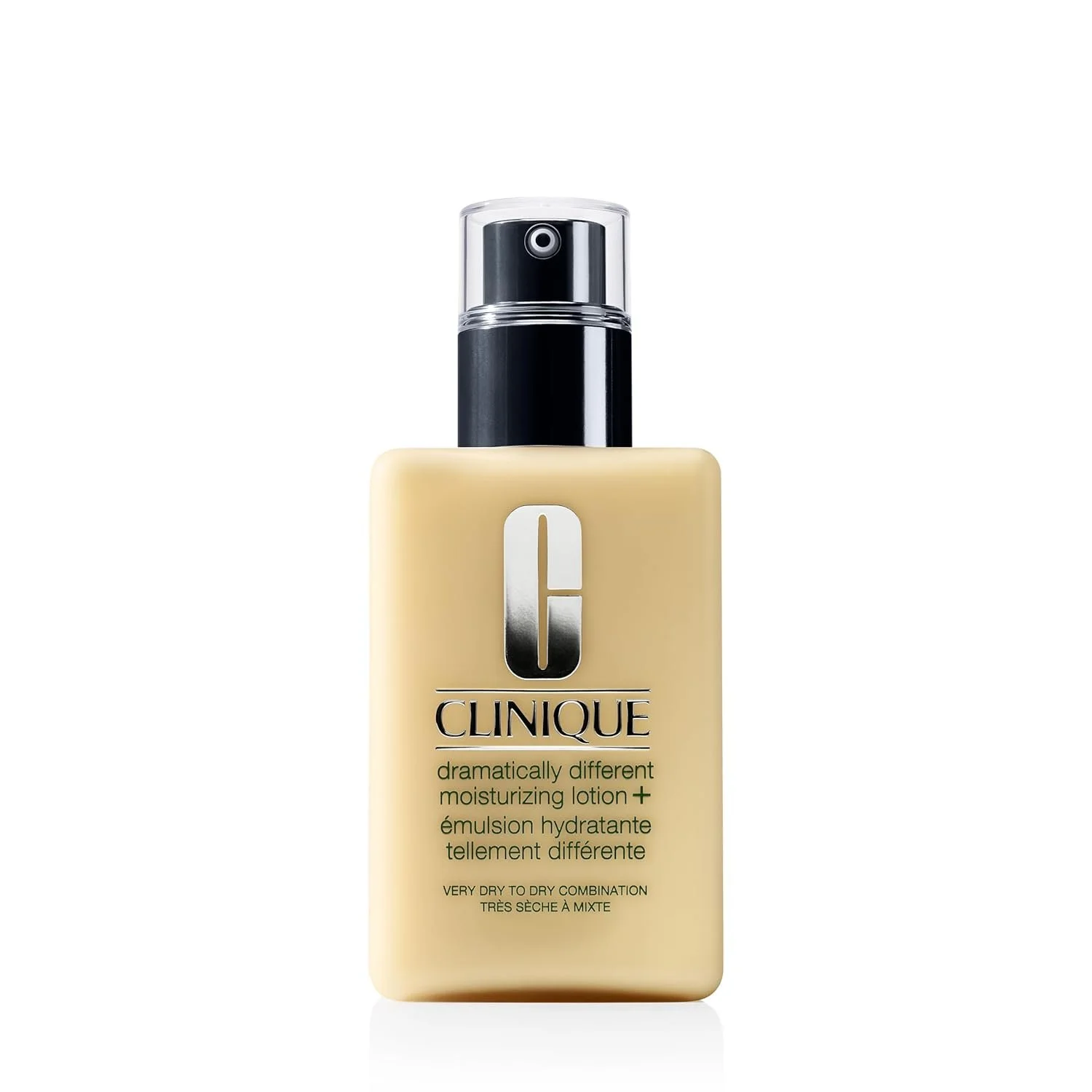
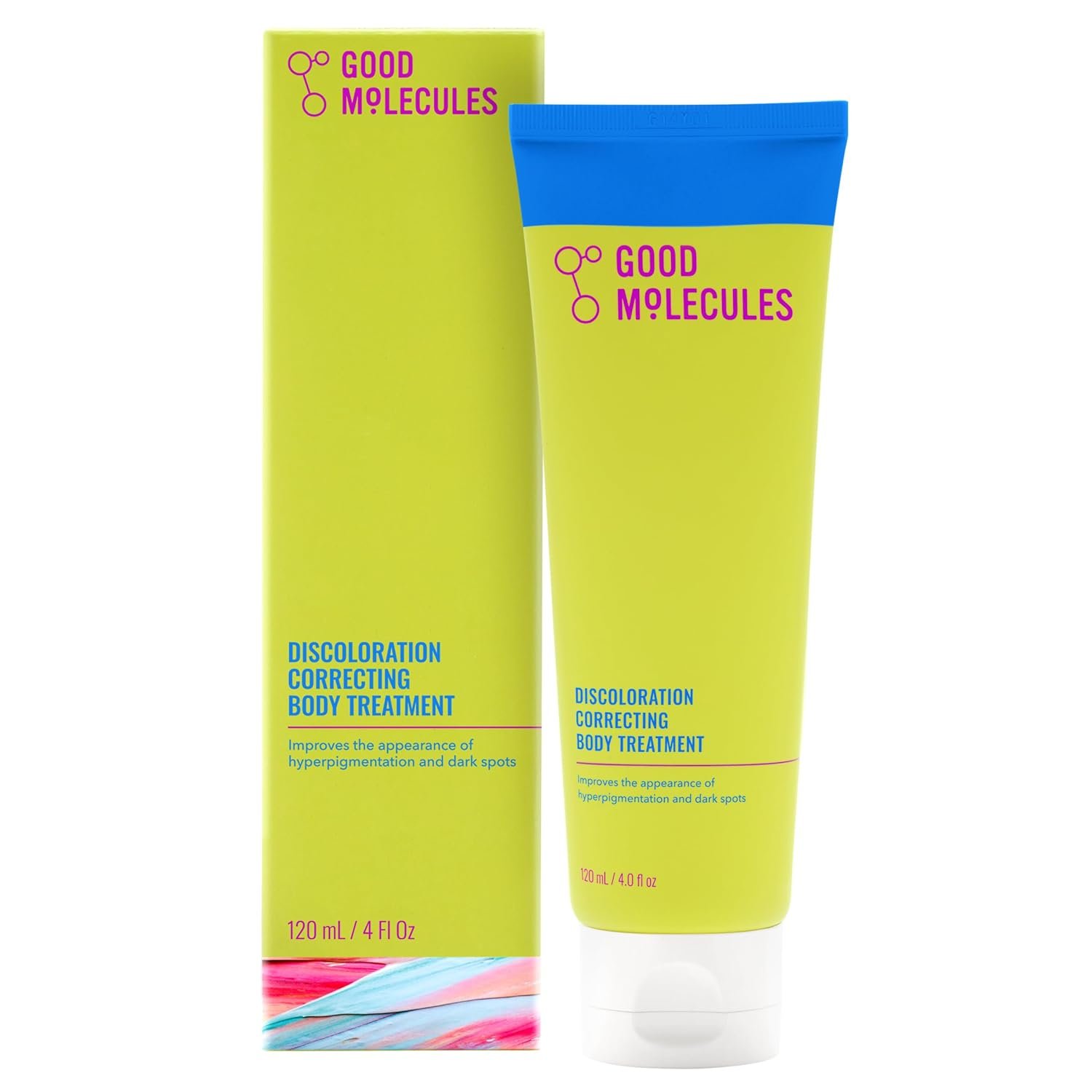
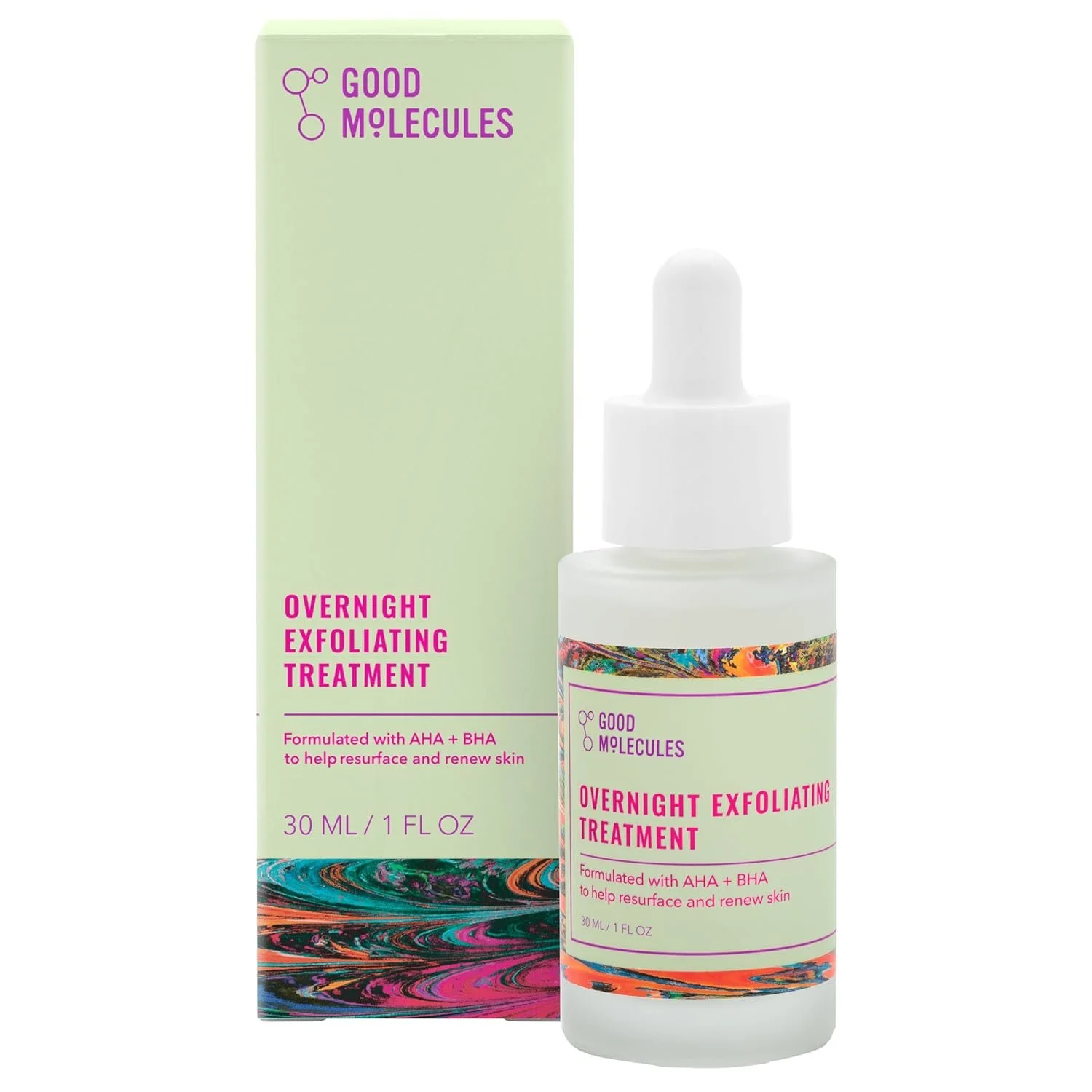
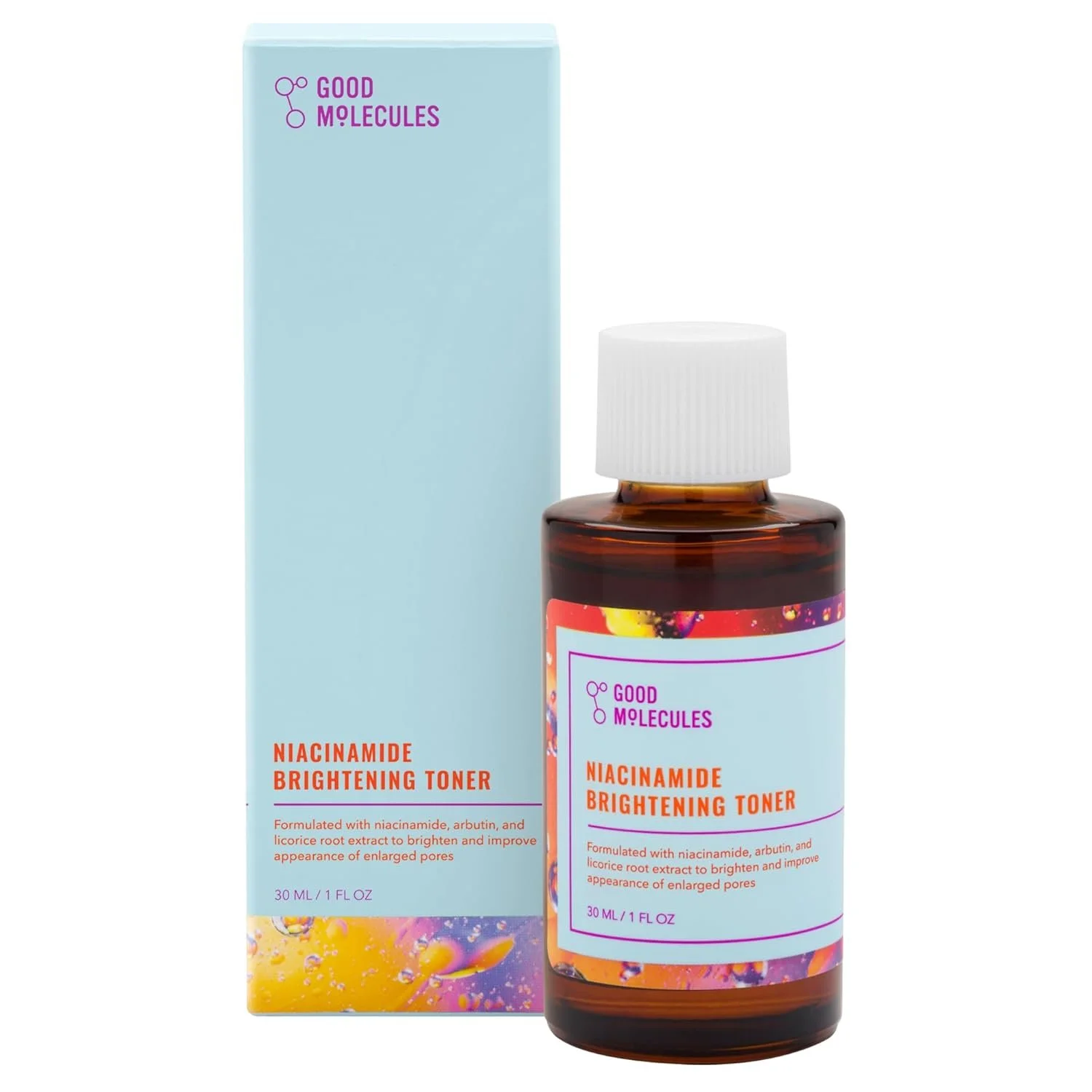
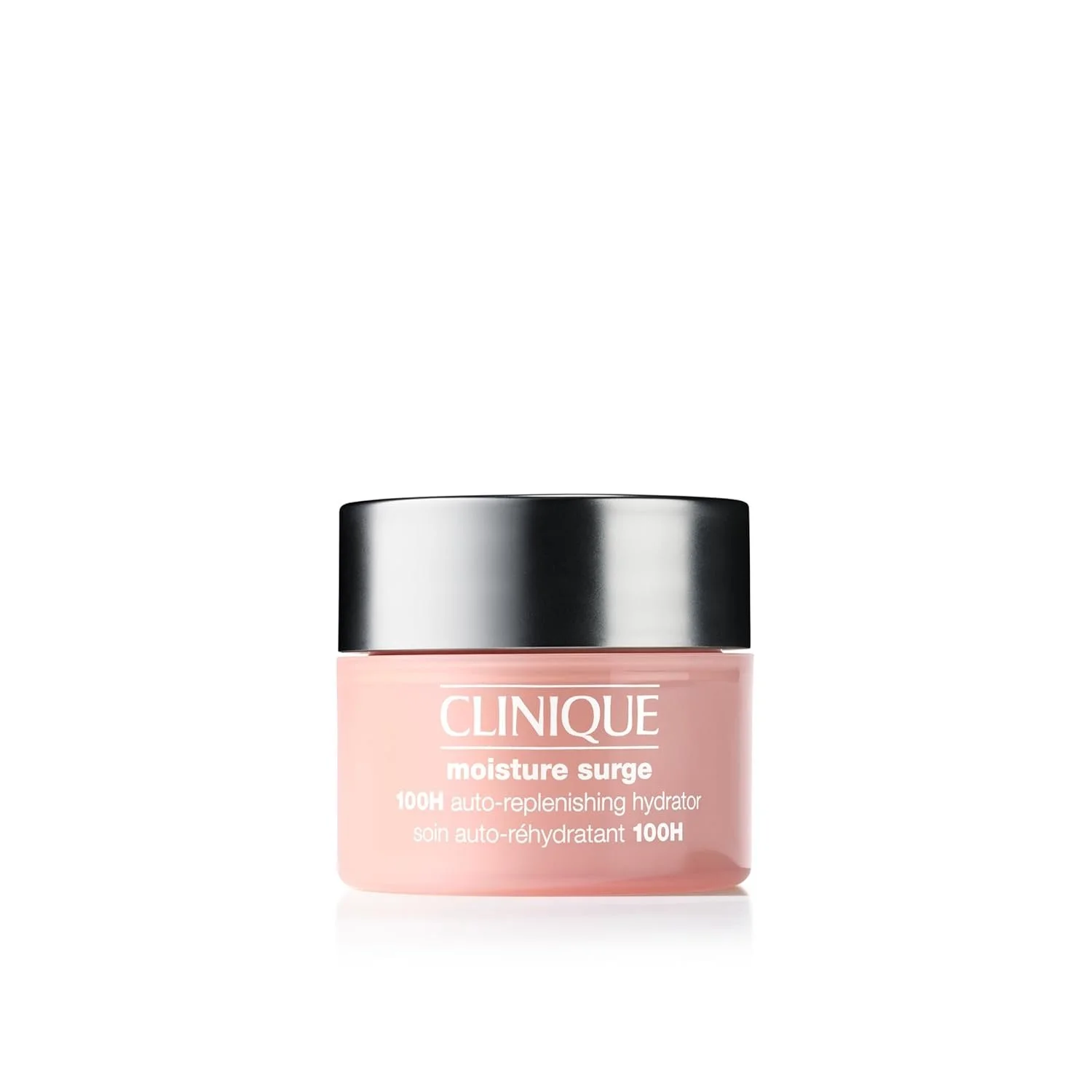
I can’t stress enough that everyone has their own skincare goals, but regardless of what those goals are, clinically backed products are always a smart investment when choosing formulas to help achieve your dream skin. That said, if you’re unsure what brands manufacture clinically backed products, I’ve included a shortlist of my favorite brands whose products I’ve incorporated into my routine to help maintain my results — along with links to each product.
Brand Names + Linked Products
Clinique
Good Molecules
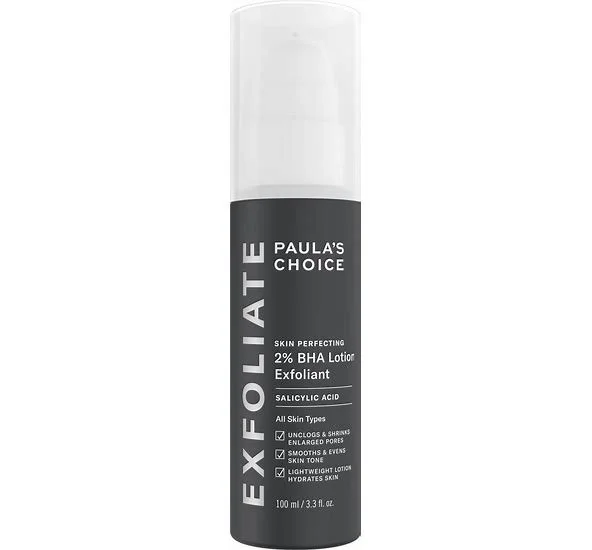
Paula’s Choice
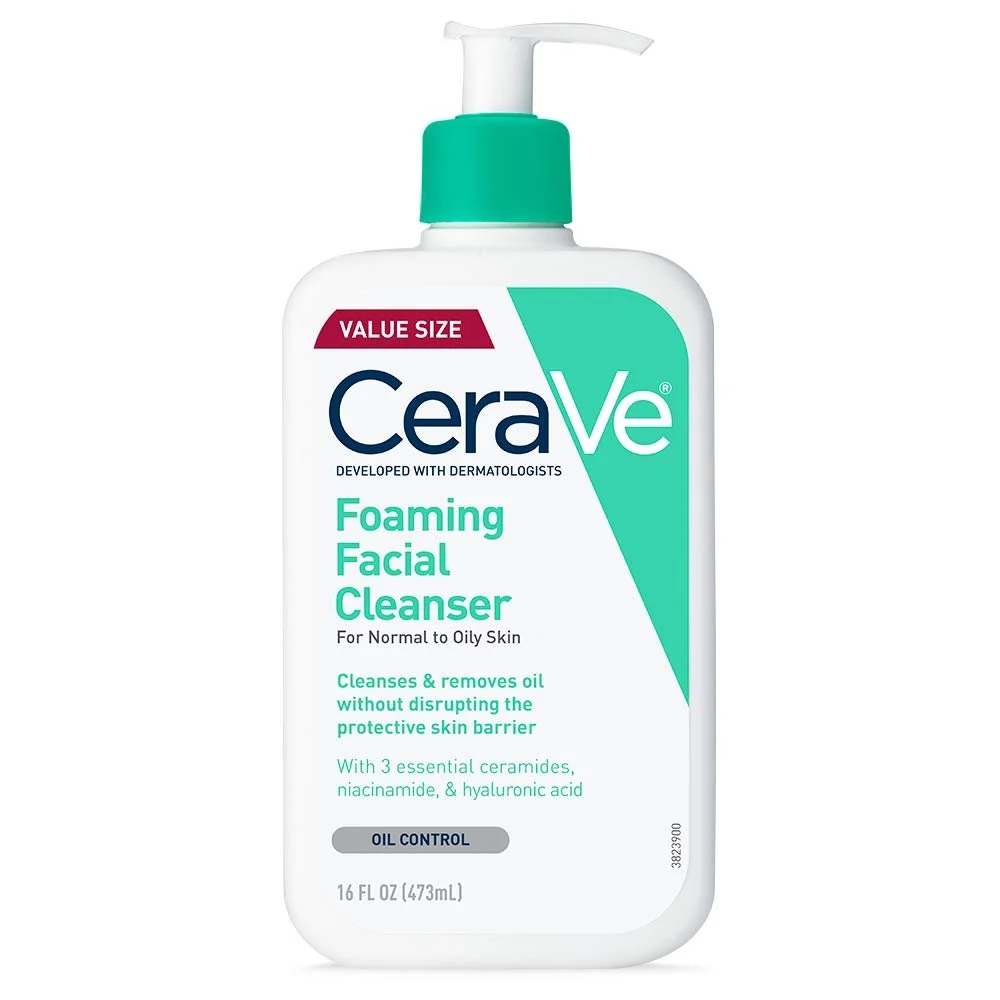
CeraVe
The Impact of a Strategic Skincare Approach
So, that’s the tea on how I’ve been rapidly improving my hyperpigmentation!
In total, seeking professional guidance, incorporating targeted treatments, and consistently using clinically backed products has made a massive difference in the overall appearance of my skin — for all the reasons I’ve shared throughout this post.
In less than three months, I’ve seen improvements in so many areas: my complexion is brighter, my texture is smoother, and my dark spots are noticeably fading. I feel more confident in the way I look, and my skin is healthier than it has been in years.
I’ve learned so much from the people I’ve studied, the information I’ve read, and the knowledge that’s been shared with me. With that, I’m excited to continue applying these learnings to improve the way I care for my skin — and ultimately, myself.
This 3-step strategy has brought me closer than ever to my goal of clear, radiant skin, and I couldn’t be more excited to see — and share — where this journey takes me over the next few months!